
Gender justice
Gender justice
At Global Fund for Children, gender justice is central to our mission to help children and young people thrive. We partner with grassroots organizations that are breaking down barriers, expanding opportunities, and creating safer, more equitable communities around the world. Today, 64% of the organizations we support are women-led, reflecting the vital role local women leaders play in driving lasting, community-driven change.
Gender equity means ensuring that people of all genders have fair access to opportunities, resources, and rights while recognising that different groups face different barriers.
Rather than treating everyone the same, gender equity focuses on giving people what they need to achieve fair outcomes. This distinction is important because equal treatment does not always lead to equal opportunity.
Gender equality and gender equity are closely related but not the same.
For example, giving all children the same resources may seem fair but children facing greater barriers may need additional support to succeed. Equity ensures those needs are met.
Gender equity is essential for building safe, inclusive, and thriving communities.
When children and young people have equitable opportunities:
Yet barriers remain. Girls and gender-diverse young people continue to face discrimination, exclusion, and violence that limit their opportunities and futures.
Achieving gender equity requires long-term, community-led change that addresses root causes not just symptoms.
Key approaches include:
Sustainable progress happens when those closest to the challenges lead the solutions.
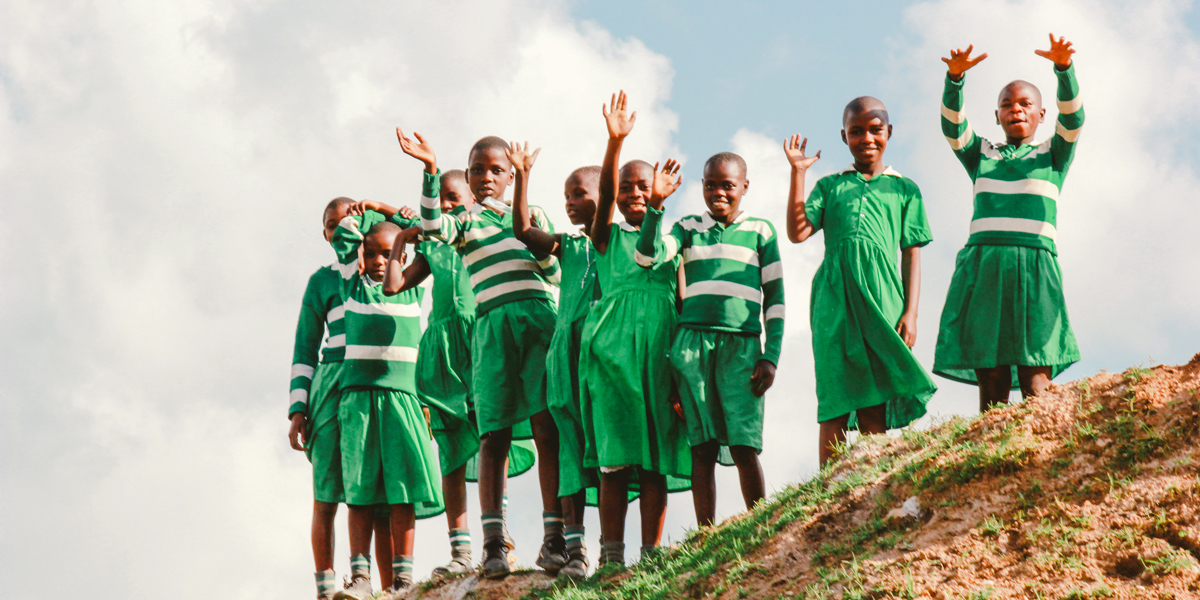
At Global Fund for Children (GFC), we support gender equity by funding and partnering with grassroots organizations that are creating change within their own communities.
Our approach focuses on strengthening local action that empowers girls, supports LGBTQ+ young people, and engages boys and young men in redefining harmful gender norms.
This includes:
This community-led approach ensures solutions are locally rooted, sustainable, and responsive to real needs.
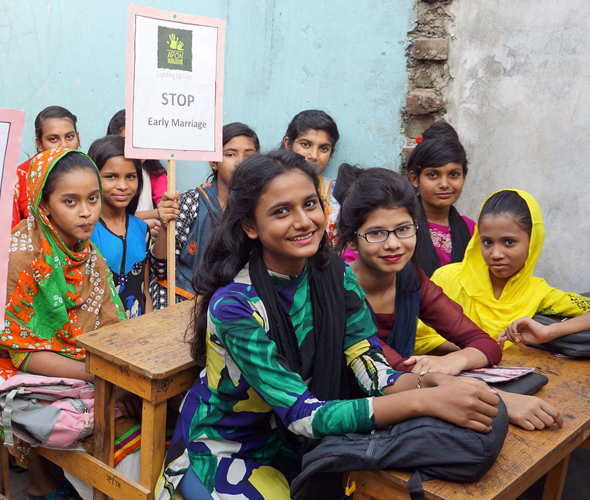
For example In Bangladesh, GFC partner APON Foundation supports girls living in underserved communities through Girls’ Clubs that promote education, leadership, and advocacy.
One participant, Pakhi, helped stop the forced marriage of her 13-year-old friend after learning about the harms of child marriage through the program. Together, the girls spoke with the family and successfully prevented the marriage.
Through grassroots partners like APON, GFC supports girls to stay in school, build confidence, and become advocates for change within their own communities.
You can read the full story here: Girls make a pact against child marriage in Bangladesh
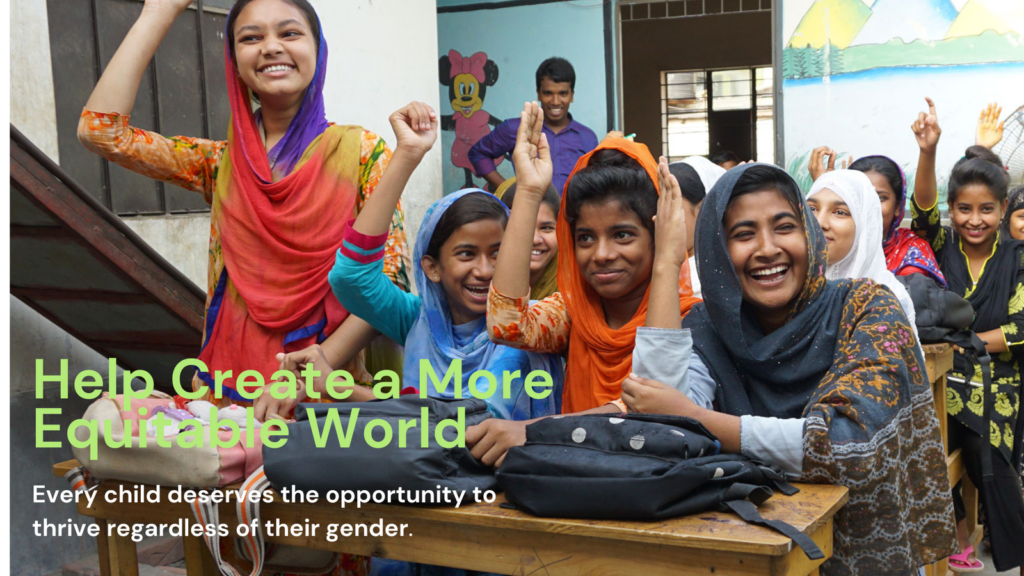
Your support helps local organizations create safer, more inclusive communities where children can learn, grow, and reach their full potential.
What is gender equity in simple terms?
Gender equity means fairness—ensuring people of all genders have access to the opportunities and support they need to succeed.
Why is gender equity important for children?
It helps ensure all children can access education, stay safe, and build a better future, regardless of their gender.
What is the difference between gender equity and equality?
Equality means treating everyone the same, while equity means giving people what they need to achieve equal outcomes.
How can I support gender equity?
You can support organizations working on the ground, raise awareness, and advocate for inclusive policies and practices.
Gender justice
Gender justice
Gender justice