Louis Theroux’s recent documentary Inside the Manosphere has reignited global conversation on the issue of harmful masculinity and the terrifying speed at which harmful ideas about what it means to be a man can be shared with millions of boys and young men, straight to their bedrooms (scroll to the end of this article to read more on this).
This documentary showed us the scale of the challenge we face but not the solutions guiding young men toward alternative paths. That’s where Global Fund for Children’s community-based partners around the world come in. For over a decade, Global Fund for Children (GFC) has supported communities to engage boys and young men and promote forms of masculinities rooted in empathy, care, and respect – helping them reject unhealthy stereotypes and define masculinity for themselves.
So, based on our experience collaborating with incredible community-based organizations leading this work, here are eight key things to know about promoting healthy masculinities in boys and young men:
Boys are looking for connection
Before dealing with the issues the manosphere presents, it’s worth exploring why this online community resonates so strongly with so many boys and young men. As the documentary shows, for at least some young men, the ‘manosphere’ offers a sense of community, a place to connect with other young men, and an explanation for why their lives may not look the way they want them to.
So the question we should be asking is, what if young men could find that community, reassurance, and connection elsewhere?
Real-life communities work
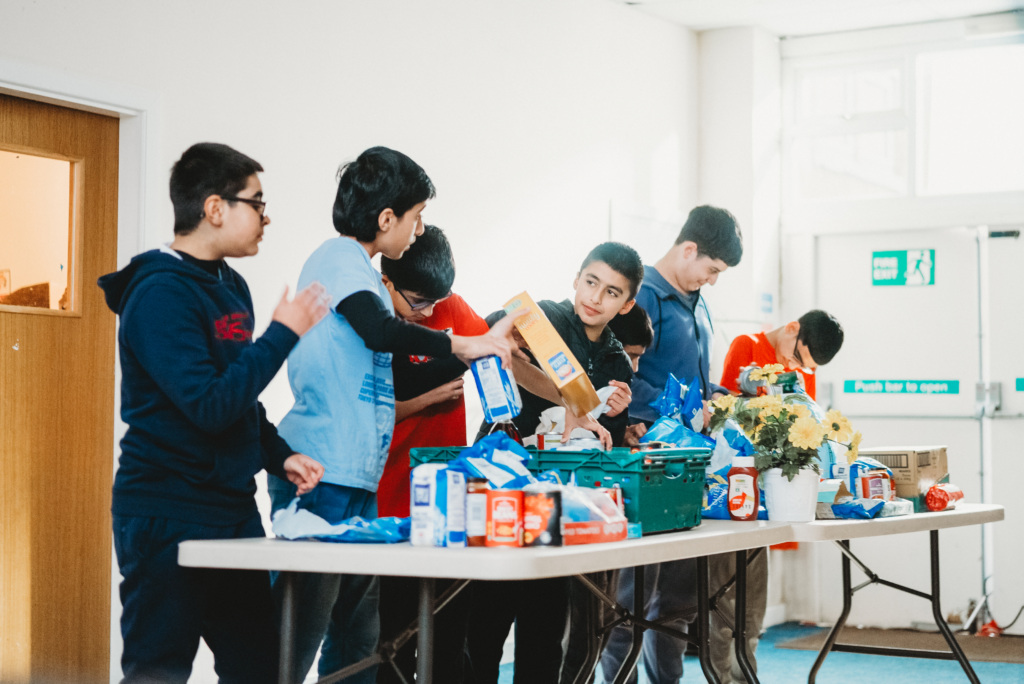
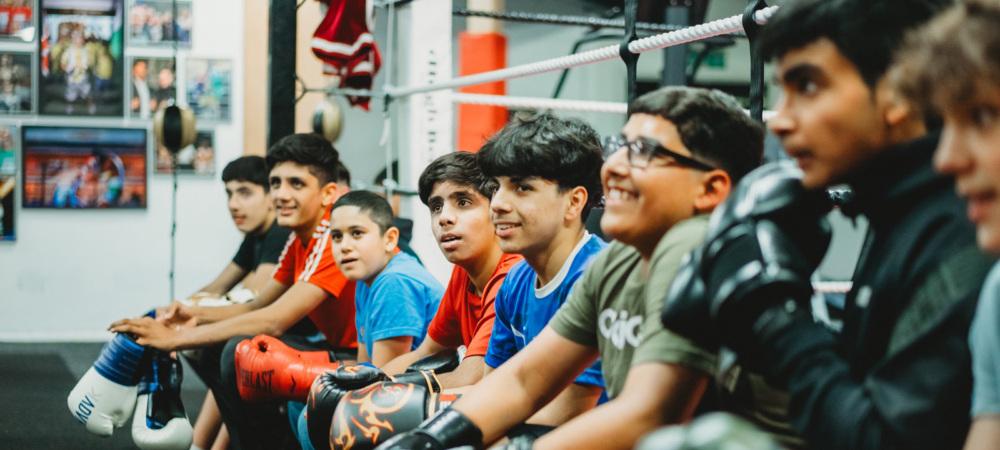
Structured programs in arts, sports, mentorship, and youth groups give boys a safe space to explore their identity and develop social skills—something online communities cannot fully replicate.
Shaming backfires
While minimizing or ridiculing harmful influencers might feel tempting, in practice it often doesn’t lead to meaningful change. In fact, it can have the opposite effect, confirming young men’s beliefs about how they are negatively viewed in society. It’s important to focus on drawing young men into the conversation rather than pushing them away, even when we find it uncomfortable to be confronted by their worldview.
Top tip: Try to create space for young men to interrogate their beliefs and evolve their view of the world without being held to the things they may have believed in the past.
Critical thinking is a necessity
Young people need the skills to critically navigate the internet, recognize harmful narratives, and challenge misinformation. This involves teaching them to identify hate speech, misleading advice, and manipulative content that reinforces harmful expressions of masculinity. Supporting boys and young men through interactive exercises, debates, and open conversation can help them not only recognize harmful content but also create positive alternatives.
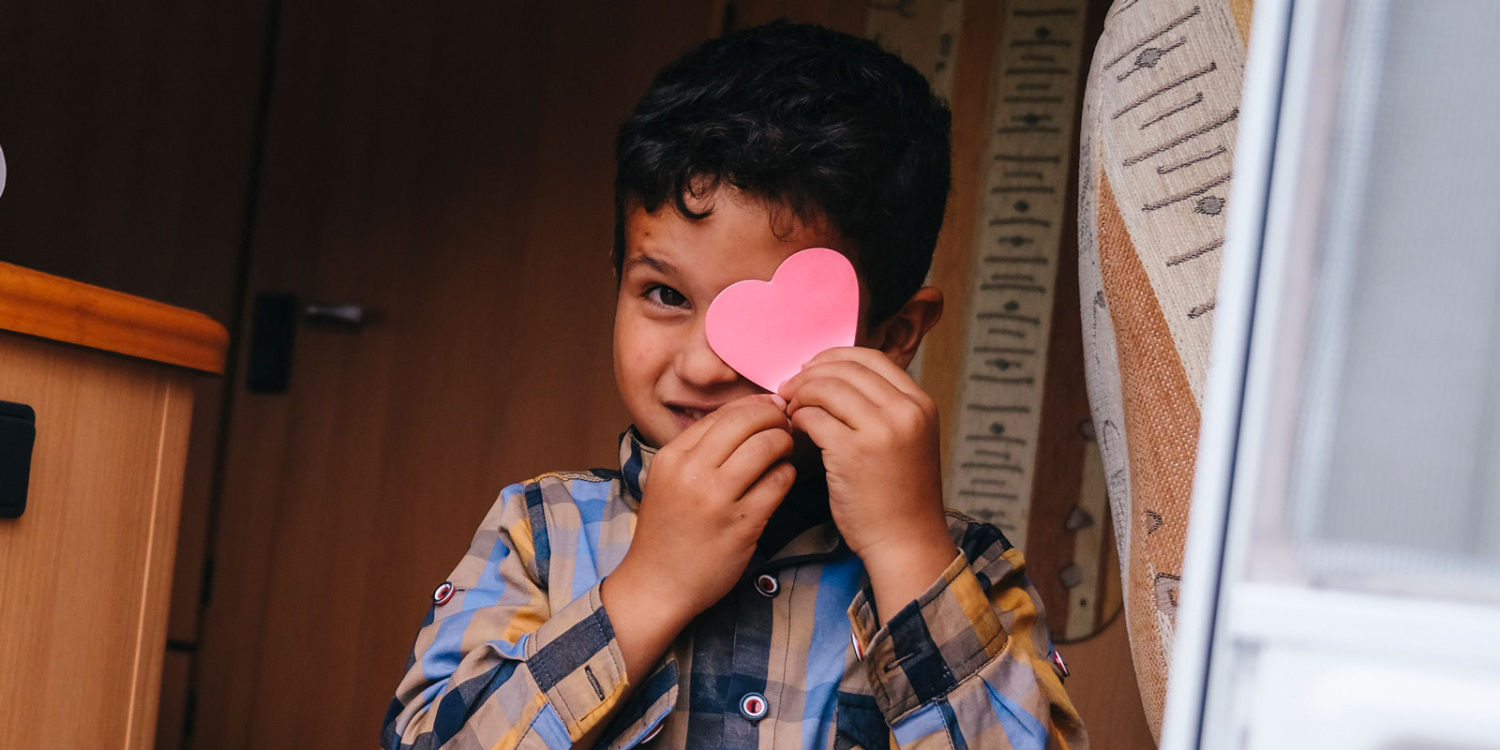
Question everything. Whether you’re in a learning process or not, questioning is a powerful tool that can take you places you’d never reach otherwise.
Steven (from Guatemala), supported by Global Fund for Children partner, Asociación SERniña
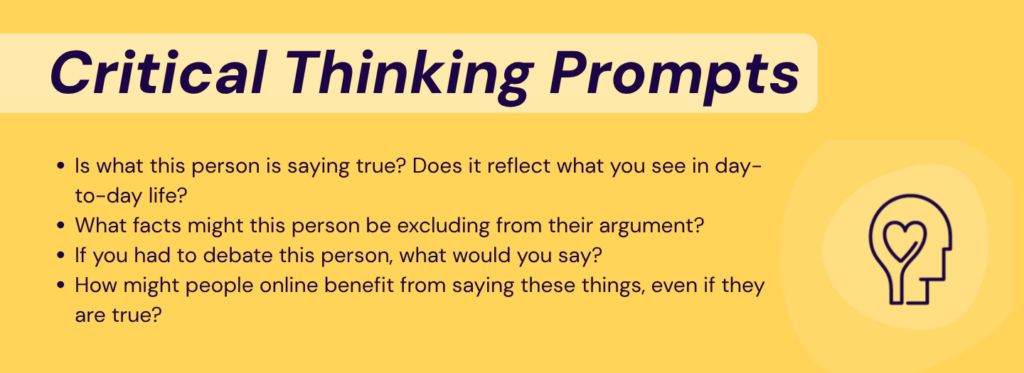
Critical thinking prompts:
Is what this person is saying true? Does it reflect what you see in day-to-day life?
What facts might this person be excluding from their argument?
If you had to debate this person, what would you say?
How might people online benefit from saying these things, even if they aren’t true?
Masculinity is not a one size fits all
At Global Fund for Children, you might notice that we use the term ‘healthy masculinities’. That’s because there is no one way to be a man. Masculinity is diverse and will be expressed differently by different people depending on culture, age, lived experience and so much more. This is something to be celebrated!
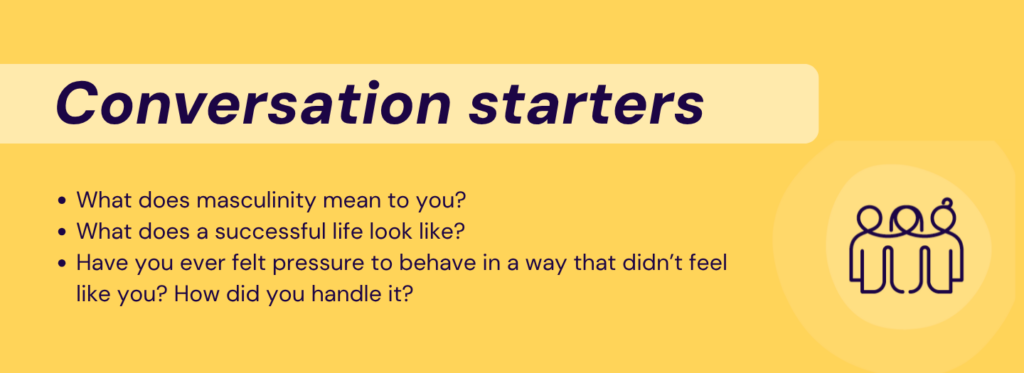
Conversation starters:
What does masculinity mean to you?
What does a successful life look like?
Have you ever felt pressure to behave in a way that didn’t feel like you? How did you handle it?
Role models are key
Showcasing men who demonstrate care, respect, empathy, and integrity provides concrete examples of alternative masculinities. These role models can be community leaders, mentors, artists, or peers who demonstrate that strength and resilience do not require dominance or emotional suppression.
It benefits all of us — including girls and young women — to take these issues seriously
Movements that support young men and young women may feel very separate, but in reality they are two sides of the same coin. When we work together, we are better equipped to build a safer, fairer, healthier world where nobody is held back by their gender.
Everyone has a role to play
Lasting change happens when families, schools, youth organizations, and local leaders work together. By building networks of support, communities can co-create norms that dismantle misogyny, celebrate diverse masculinities, and reinforce healthy relationships.
Adopting healthy masculinity has helped me build stronger relationships, gain self-respect, and find peace in being true to myself.
William (from Sierra Leone), supported by Global Fund for Children partner, Center for Advocacy and Sustainable Empowerment
Blocking or removing ‘manosphere’ content creators from online spaces is one solution to this issue, but it will never get to the root cause that is driving young men to adopt this belief-system. Real-life programs, positive role models, and access to communities who truly care about them are the best counterbalance to online spaces promoting harmful behaviors.
Global Fund for Children is proud to support initiatives that empower boys, strengthen communities, and share our vision of creating a more gender equal world. Find out more about our global approach to healthy masculinities and meet our incredible community-based partners HERE.
What is themanosphere?
The manosphere is a network of online spaces centered on “masculinity.” While it may appear to offer guidance or community, much of its content fuels misogyny, promotes rigid notions of manhood, and spreads misinformation about gender equality. In these spaces, messages often claim that:
Violence against women is exaggerated.
Gender equality threatens men.
Being “truly masculine” means dominating, controlling, and never showing emotion.
The result is an online culture that reinforces toxic masculinity and harms both men and women.
Support young people to redefine masculinity
Across the world, boys and young men are searching for belonging, identity, and guidance. When positive spaces aren’t available, harmful online communities can fill the gap.
That’s why GFC partners with local organizations to create safe, supportive environments where boys can explore who they are, build meaningful relationships, and embrace healthier, more inclusive forms of masculinity.
Your support helps provide mentorship, community programs, and the tools young people need to question harmful narratives and shape a better future—for themselves and for others.