
Gender justice
Gender justice
The term “toxic masculinity” is frequently discussed in the context of global development, appearing in strategy documents, grant applications, and conference panels. Toward the end of last year, Global Fund for Children published an article in Alliance Magazine proposing a different approach to addressing systemic gender issues.
Following the release of the Netflix documentary Inside the Manosphere, we want to clarify our position further. Because at GFC, we don’t use the term “toxic masculinity” in any context. Not because we shy away from difficult conversations, but because we believe using this language frames boys and their inherent masculinity as the main problem to be tackled in addressing gender-based violence.
What the term does – and doesn’t do
“Toxic masculinity” as a term has become well-known in the public consciousness over the past decade, and in recent years, further use of the term has been prompted by some hard-hitting media. The Netflix show Adolescence premiered in 2025 and sparked a dramatic global response that may appear positive at first glance. It reignited discussions about boys and masculinity, online radicalization, and social media, which are conversations that are crucial for protecting children from harm.
UK politicians, influenced by the show, used the term “toxic masculinity” to assert that more needed to be done to combat violence against women and girls. However, critics argued that the show perpetuated a narrative suggesting that “boys are the problem.” They cautioned that the media-driven response might overlook the root issues, potentially alienating boys who feel like they are seen as perpetrators in need of “fixing” simply as a result of their inherent masculinity.
Many in the charity sector are pushing back on the term and calling for a change in language following contextual, academic, and survey evidence suggesting that the term “toxic masculinity” should not be used in practical settings. A 2020 survey revealed that 85% of respondents disliked the term, and additional research by The Centre for Male Psychology indicated that using this term has a detrimental effect on men’s mental well-being.
At GFC, we believe that the term individualizes and shames rather than pointing to systems; it positions boys and men as the problem to be fixed rather than people with agency; and in the global contexts where GFC works, it carries Western cultural baggage that undermines trust and community buy-in.
What GFC has learned from its partners
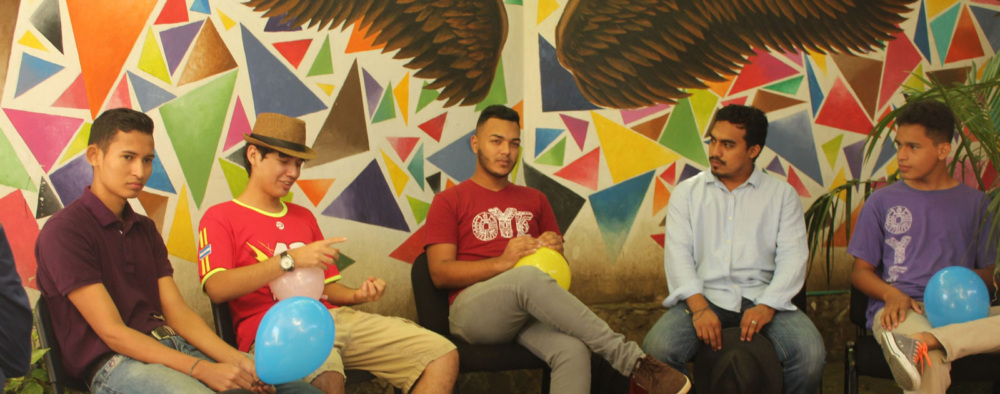
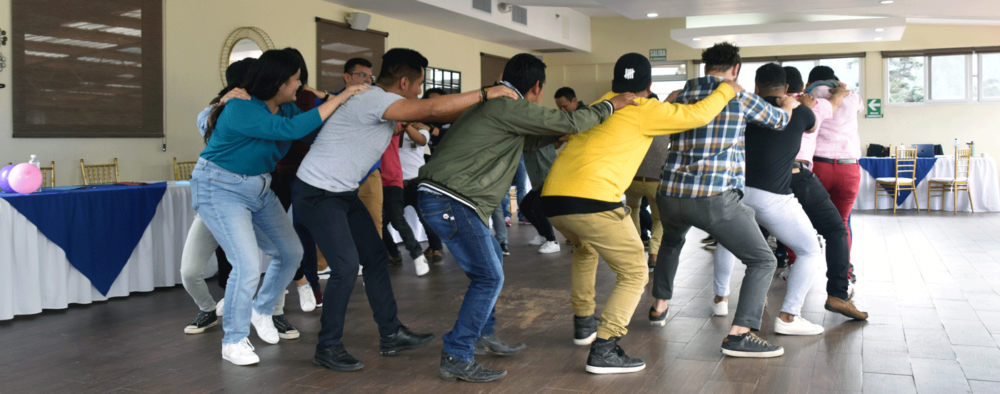
GFC funds many organizations around the world that are working to educate and equip children and young people to approach this issue with a positive frame of mind. An example is Asociación SERniña, a youth-led organization in Guatemala that promotes gender equality and empowers children and young people to reach their full potential. In collaboration with local schools and community groups in Chimaltenango and Sacatepéquez, SERniña conducts workshops on gender equality, leadership, and healthy masculinities. This includes a comprehensive program for boys and young men called SerNiño.
Launched in 2018, the SerNiño program supports boys in recognizing and questioning societal expectations, while encouraging them to make conscious decisions about the kind of men they want to be and how they want to live. It helps them find their own voices and become more thoughtful partners, fathers, and community leaders, while also becoming more authentic to themselves. SERniña’s work with boys emphasizes that there are many caring, equitable, and meaningful ways of being a man.
In 2024, with support from GFC, they launched a program called the “Young Masculinities Lab.” This initiative trains a group of young men to actively promote gender justice within their communities.
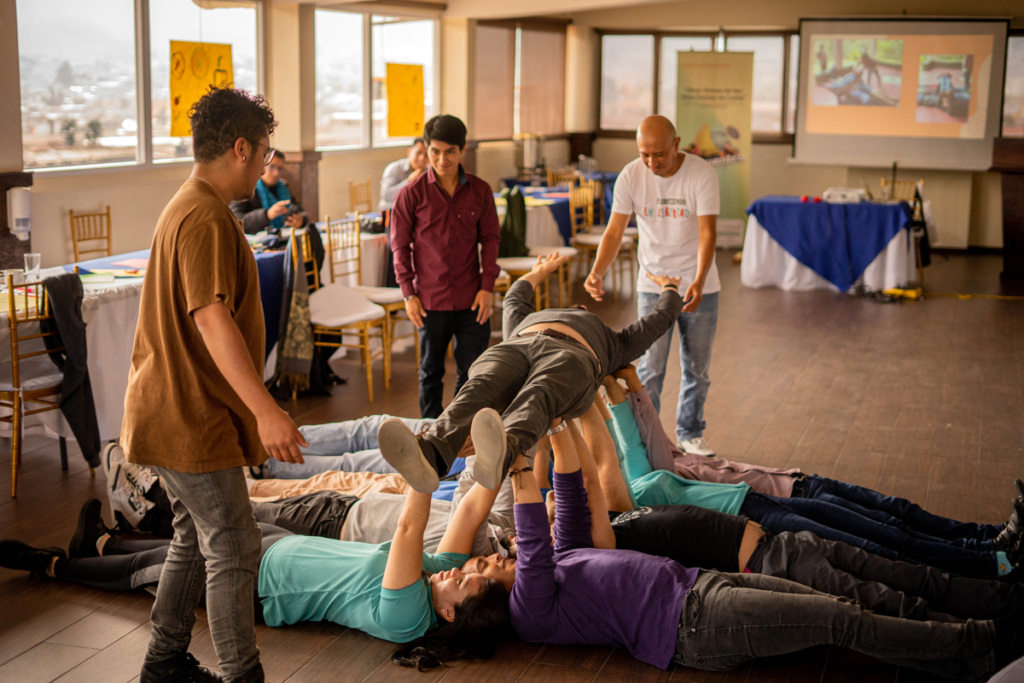
Within this lab, boys and young people are being engaged with from a place of listening and collaboration, rather than judgment or reprimand. The approach prioritizes creating a safe, respectful space where they feel heard, valued, and encouraged to reflect, fostering trust and enabling more meaningful, lasting engagement.
Asociación SERniña’s programs are having an impact: the number of reported cases of violence by participants dropped by 45%, and 79% of participants reported experiencing less violence in their homes after the program.
Why the framing of “gains” changes everything
Toxic masculinity often focuses on what boys and men should stop doing. In contrast, GFC’s approach encourages them to consider what they can become. By shifting from a mindset of deficit and pathology to one of potential and possibility, boys and young men become more engaged. They participate, not because they have been told they are the problem, but because they have understood they are part of the solution.
However, we do not see boys and young men only as “projects for the future.” We listen to them and understand their present needs. We accompany them on their journey of self-discovery and liberation from the roles and definitions of masculinity imposed by society.
What this means for philanthropy and global funders
Language used in funding contexts is not neutral; it influences what gets funded, how partners frame their proposals, and how communities are positioned in relation to funders.
When global organizations use the term “toxic masculinity” as shorthand, they risk a few key issues. First, they may import frameworks that communities have not defined and accepted. Second, they could undermine partnerships with organizations that work positively with boys and men. Lastly, they tend to simplify complex systemic problems into individual pathologies, which may be easier to identify but harder to support with adequate funding.
This is another reason why GFC’s funding model – flexible, long-term, community-led – is so essential. Local communities are best equipped to tackle the issues in their own cultures and people groups.
We do know this isn’t easy and that language is not the only issue. But we believe it is essential to keep asking: what does our language signal to the communities we fund? Who does it centre? What does it make possible?
Empowering children to reach their full potential means inviting boys to be allies, not obstacles, to gender justice.
Gender justice
Gender justice
Gender justice, Youth power