Education
Education
Global Fund for Children’s Partnership to Educate All Kids (PEAK) initiative set out to explore this question through a yearlong learning review. Using a participatory method called Outcome Harvesting, the review gathered 123 examples of change across 19 grassroots partners from three regions (South Asia, Africa and Latin America), focusing on three groups:
Children and youth
Educators and education providers
Families, caregivers, and communities
The goal was to understand not only what changes happen through play, but also how community partners contribute to those changes.
You can also read this report in Spanish and Portuguese.
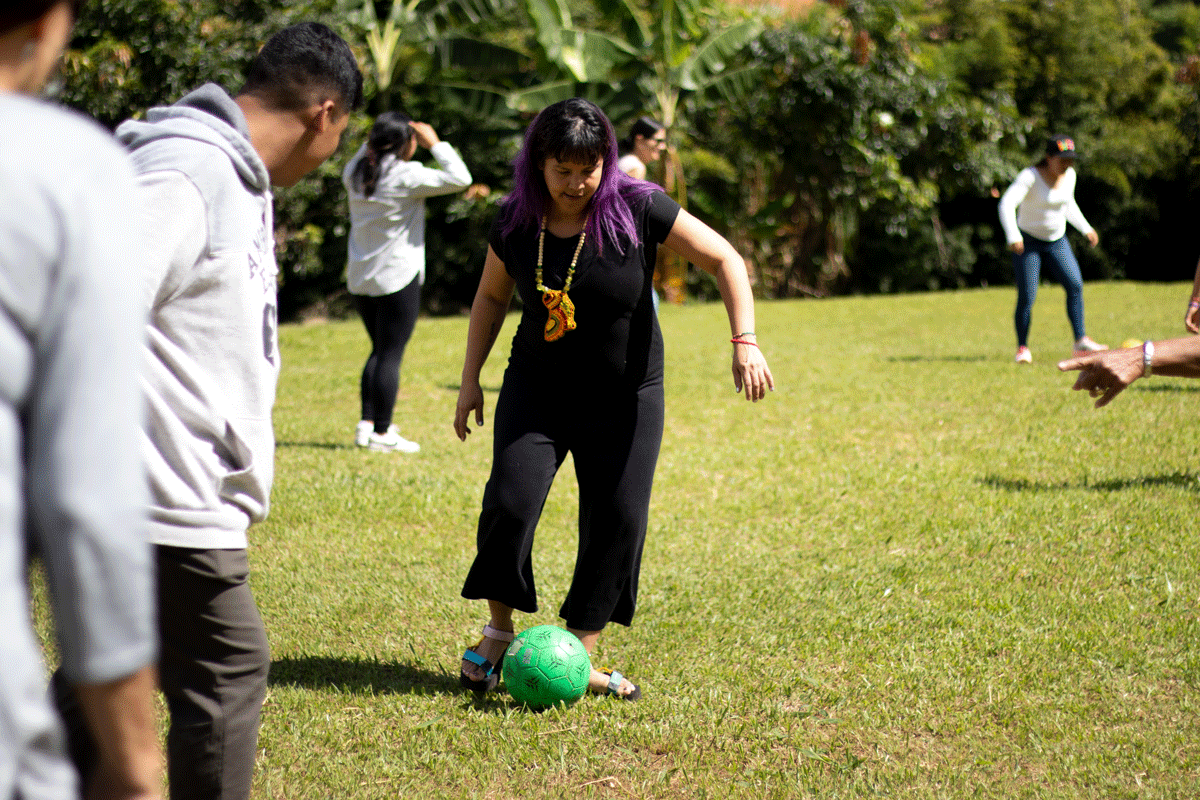
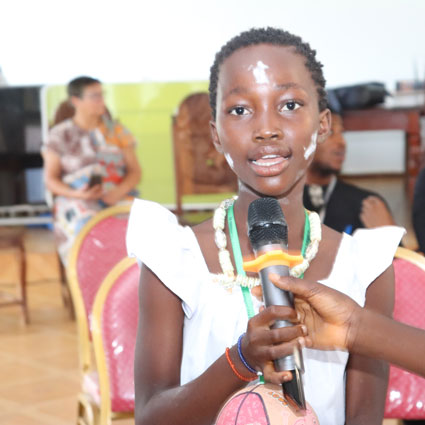
Children gained confidence, voice, and leadership – with especially notable growth among girls and other groups who often face barriers to participation.
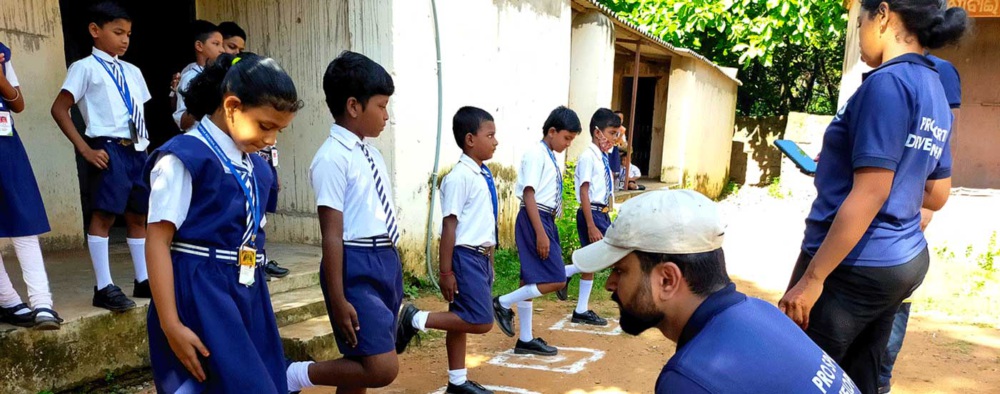
Play enhanced academic skills and life skills, from literacy and numeracy to identity expression through arts and culture.
Stronger relationships emerged between children, teachers, and families, with play supporting healing, inclusion, and belonging.
Teachers and facilitators adopted play-based methods in classrooms and community settings.
Schools and institutions sought Learning Through Play training, with some even integrating it into formal teaching practices.
Systemic changes began to take root, showing the potential of play to influence education at scale.
Parents, caregivers, and leaders became more open to children’s participation and rights.
Communities created new play spaces and supported education for children who were previously excluded.
Collective action grew, highlighting the power of play to spark community-wide change.
Sports, movement, creativity, artistic expression, games, and cultural relevance emerged as driving forces.
Play was most impactful when paired with encouragement, safe learning environments, resources, and strong relationships.
More work is needed to ensure inclusion across cultures, generations, and identities.
Deeper partnerships with governments can help scale and sustain play-based approaches.
Creative tools—like puppetry, arts, and the “balloons” framework—can further center children’s voices in shaping education.
Play is more than fun—it’s a catalyst for change. Dive deeper into the findings, stories, and recommendations in the full report:
Education
Education
Education