
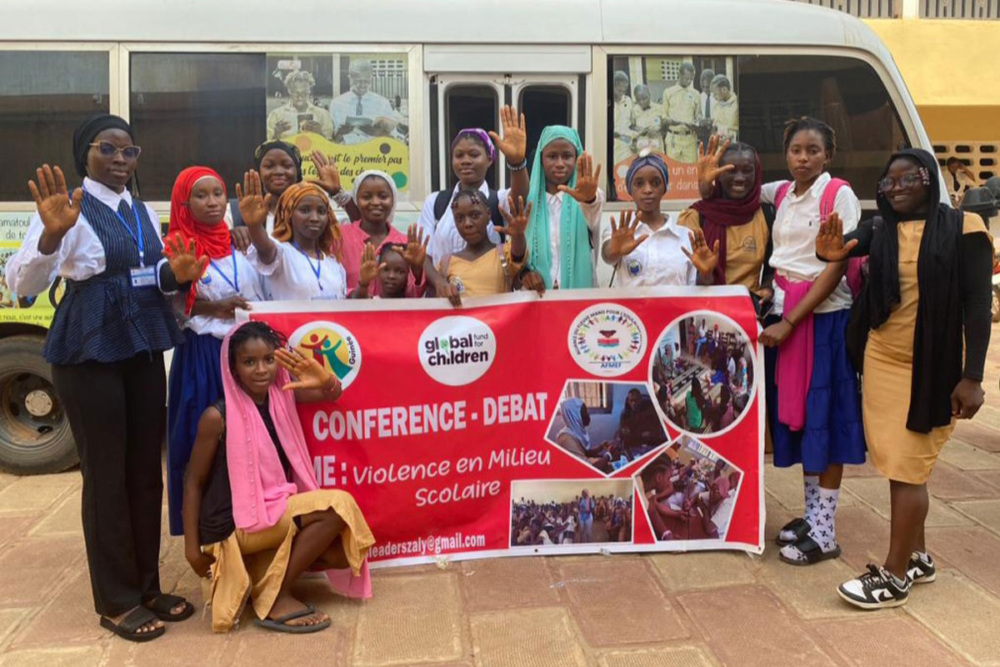
Gender justice, Safety and wellbeing
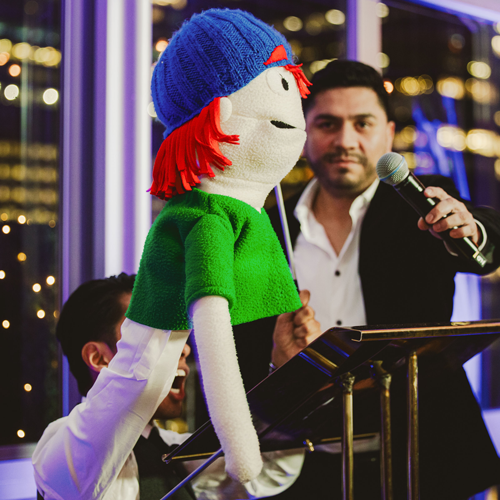
At Global Fund for Children, we believe that our community-based partners and the children and young people they serve are the heroes in their own story. They see what needs to be different in their communities, and they take the stand to make the necessary changes. Our role is to walk alongside them and to make sure that it is their voice that carries.
Our commitment to this belief is what set us on a communication journey in October 2025, to ensure our actions reflect our values by formalizing not only the language we use, but also how we show up in the rooms where we gather.
What is Asset Framing and why does it matter?
‘Asset-framing’ is defining individuals by their aspirations and strengths rather than the challenges they face. At GFC, this translates into deliberate decisions to tell stories that honor the dignity and humanity of the individuals and organizations we work alongside.
GFC compiled this journey into an Inclusive Language and Asset Framing Guide, launched in March 2026. The guide consolidates what many on our team were already practicing and gives it a shared language. At its heart are five core principles:
In practice, these principles show up in every story we tell, every caption we write, and every time we choose whose words lead.
From the page to the room
We are upholding these principles not only by amplifying youth and partner voices in our written communications but also when we invite them to take the stage at in-person gathering, such as a conference, a fundraising dinner, or a donor convening.
In Los Angeles, New York, Washington DC, and London, GFC partners have shared their stories directly at recent fundraising events. Their unique approaches making a memorable impact on our audiences.
At a fundraiser in London, a young nonbinary artist named Moss gave a performance of their latest and greatest hits. Moss is signed to Warren Records, a nonprofit record label that creates space for young people to tell their own stories through their music.
At another event in New York, guest speakers from Foundation Ninas de Luz, used their resident puppets to bring their play-based learning methodology approach to life.
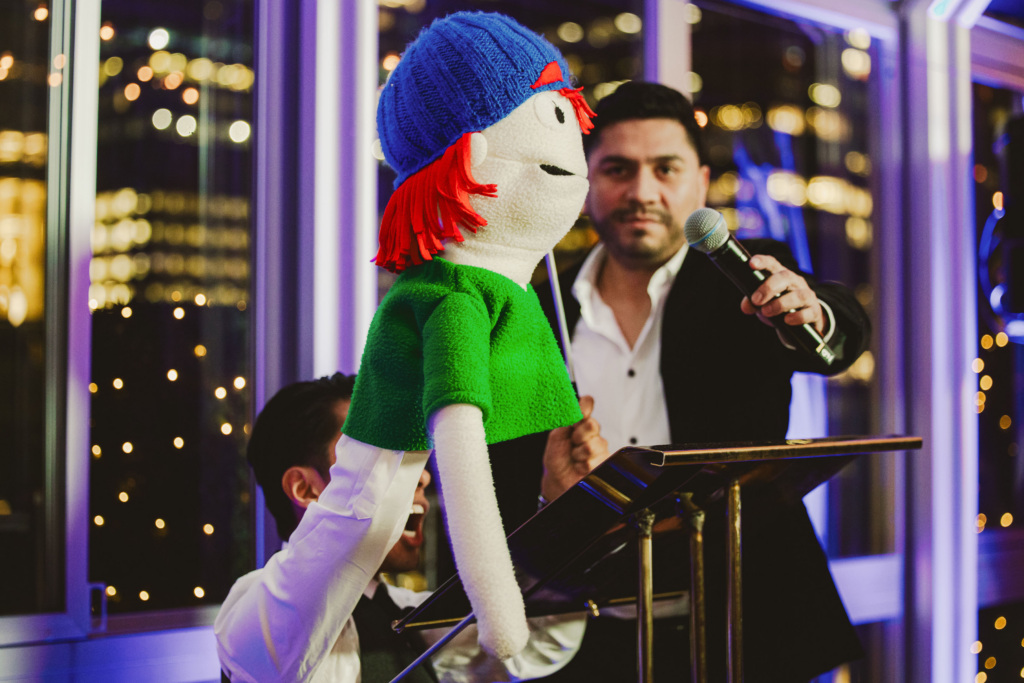
Each of these moments, rooted in trust and space for partners, created something an article or blog never could: genuine connection between people who might otherwise never have been in the same room.
Making it work: Five steps to a partner-centered event
Successfully centering partner voices at your events takes intention, preparation, and care. It introduces real considerations around safeguarding, capacity, and resources. And it has a profound impact on your guests, your donors, and your partners. Here is what we have learned:
This is what shifting power looks like in practice
When Foundation Ninas de Luz brought their program to life through puppetry, when partners sang and spoke in rooms full of donors and colleagues – we got to see GFC’s core values of community-led and youth-centered change in action.
Our Inclusive Language and Asset Framing Guide – and the broader fundraising communication journey it reflects – is a living commitment that will evolve as we learn from experience and listen more deeply to the communities we serve. Every member of our global team is finding ways to bring these principles into their own work, building on them in ways that are meaningful to the people they work with and their communities.
Gender justice, Safety and wellbeing
Climate resilience
