Safety and wellbeing
Right now there are 45 million children in the world who have been forcibly displaced from their homes (Source: UNICEF). The scale of this global crisis is almost unimaginable, but behind that number is 45 million individual lives, each with their own hopes, dreams, and longing for a safe place to call home.
We may never hear most of their stories, but through reading we are able to step into someone else’s life and see the world through their eyes.
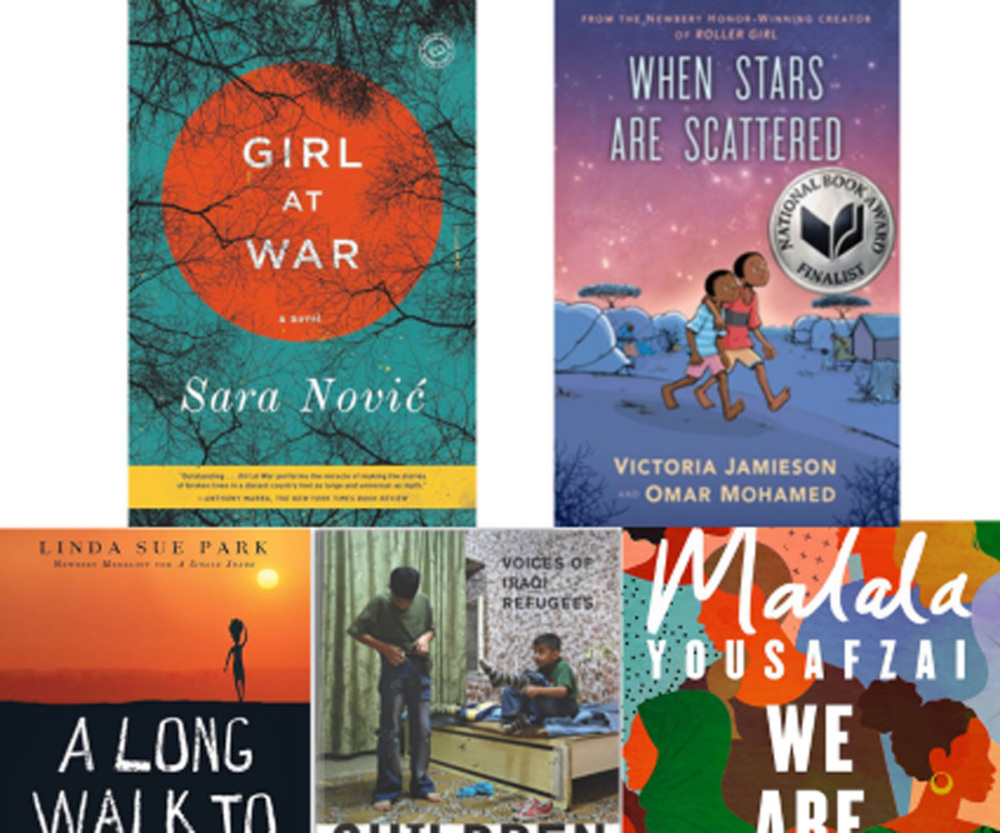
That’s why we’ve curated a reading list that explores what it means to have a childhood disrupted by war and conflict. These books speak to the harrowing realities faced by young refugees – leaving their home and everything they know behind, navigating unfamiliar cultures, encountering hostility and prejudice, and finding a sense of belonging in a new and unfamiliar place.
This World Refugee Week, immerse yourself in these powerful stories. Each of them is a moving testament to the courage it takes to rebuild a life after profound loss and the immeasurable value of human connection and empathy.
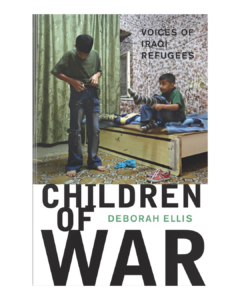
In this book, Deborah Ellis interviews children affected by the Iraq War who are living as refugees in Jordan and North America. Most of the children have parents who are working illegally or not at all, and the fear of deportation is a constant threat.
While Ellis provides a historical overview and brief explanations of context, she otherwise allows children to speak for themselves. Their stories are frank, harrowing and often show incredible resilience, as the children try to survive the consequences of a war in which they played no part.
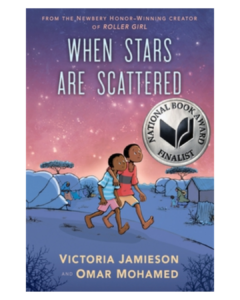
This graphic novel based on Omar’s life tells the story of two brothers who have spent most of their short lives in a refugee camp in Kenya. When Omar has the opportunity to attend school, he knows it might be a chance to change their future, but it would also mean leaving his brother, the only family member he has left, every day. This is a story about a childhood spent waiting and how to create a sense of home in the most difficult of settings.
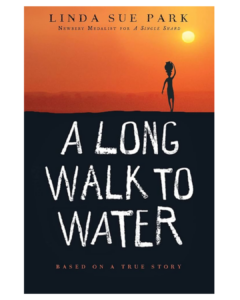
Based partly on real events, A Long Walk to Water begins as two stories about two eleven-year-olds in Sudan, a girl in 2008 and a boy in 1985. The girl, Nya, is fetching water from a pond that is two hours’ walk from her home: she makes two trips to the pond every day. The boy, Salva, becomes one of the “lost boys” of Sudan, refugees who cover the African continent on foot as they search for their families and for a safe place to stay. Enduring every hardship from loneliness to attack by armed rebels to contact with lions and crocodiles, Salva is a survivor, and his story goes on to intersect with Nya’s in an astonishing and moving way.
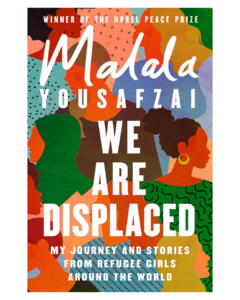
We are Displaced is part memoir, part communal storytelling, in which Nobel Peace Prize winner, Malala Yousafzai not only explores her own story of adjusting to a new life while longing for home, but also shares personal stories of some of the incredible girls she has met on her various journeys – girls who have lost their community, relatives, and often the only home they’ve ever known.
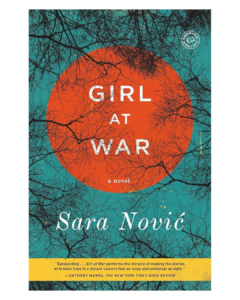
Growing up in Zagreb in the summer of 1991, 10-year-old Ana Juric is a carefree child; she runs the streets with her best friend, Luka, helps take care of her baby sister, Rahela, and idolizes her father. But when civil war breaks out across Yugoslavia, football games and school lessons are replaced by sniper fire and air raid drills.
The brutal ethnic cleansing of Croats and Bosnians tragically changes Ana’s life, and she is lost to a world of genocide and child soldiers; a daring escape plan to America becomes her only chance for survival. Ten years later she returns to Croatia, a young woman struggling to belong to either country, forced to confront the trauma of her past and rediscover the place that was once her home.
At Global Fund for Children, we’re proud to support communities who are creating safe spaces for children and young people who have been displaced by violence.
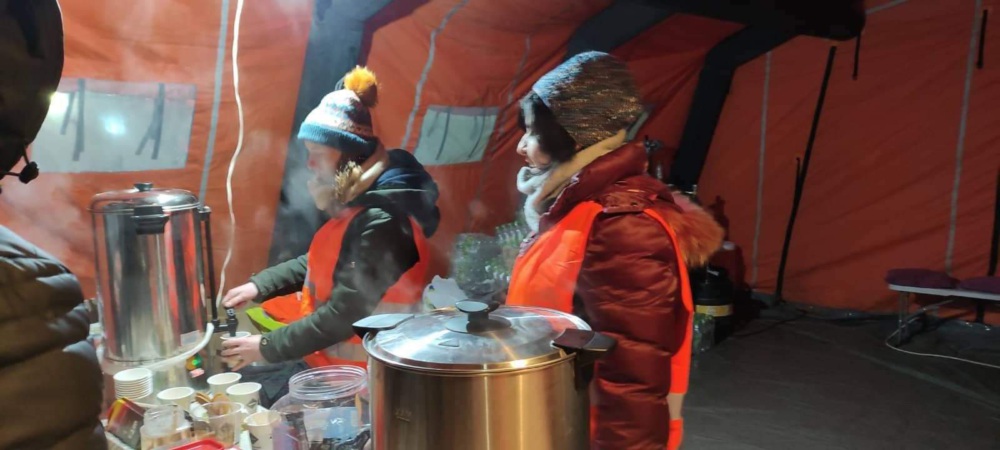
In Ukraine, Hungary, Poland, and Moldova, grassroots organizations are creating safe shelters and community spaces, providing psychosocial support, and access to education for displaced Ukrainian children. In Kenya and Uganda, local organizations are using play to support the psychological wellbeing of children in refugee and host communities, helping them build resilience, wellbeing, and opportunities to thrive.
For young people whose lives have been uprooted by conflict, this type of support is life changing. It means, if only for a couple of hours a week, they get to resume normal childhood life. They can play, learn, make friends, and feel a sense of safety and belonging. In the midst of uncertainty and loss, these moments offer stability, hope, and the chance to imagine a future beyond displacement.
Sign up for our mailing list to stay inspired with more recommendations, stories from the children and communities we support, updates on our programs around the world, and ways you can help create safe spaces for children who need them. You can unsubscribe at any time.
Safety and wellbeing
Safety and wellbeing, Youth power
Education, Safety and wellbeing