
Youth power
We work with youth-led groups and organizations in Brazil to strengthen climate justice action by supporting young leaders' activism and participation in strategic climate spaces.

Weaving Climate Solutions (Tecendo Soluções Climáticas) is a pilot initiative led by GFC in collaboration with youth-led groups and organizations in Brazil. It aims to strengthen diverse youth – especially youth from Indigenous, quilombola, and other traditional communities, as well as Black and peripheral youth – who are developing climate solutions, building resilience in their communities, advocating for policy changes, and protecting the environment.
GFC’s support through the Weaving Climate Solutions initiative centers on three core pillars:
Through these efforts, Weaving Climate Solutions seeks to strengthen youth action and participation in strategic climate spaces, thereby advancing climate, racial, and gender justice.
 Project partners
Adapta Keraciaba is a youth-led collective that mobilizes and engages the flood-prone communities of Jardim Keralux and Vila Guaraciaba in the East Zone of São Paulo around climate adaptation. The collective provides climate education and disaster risk reduction initiatives, focusing on local adaptation and community participation.
Associação da Juventude Indigena Xokleng (AJIX) is a youth-led organization from the Laklãnõ Xokleng Indigenous community that promotes young people’s leadership and empowerment and mobilizes youth to fight for their rights and for climate and social justice. AJIX also aims to strengthen Indigenous voices in the development of public policies affecting Indigenous youth.
Coletivo Amazônico LesBiTrans is a network of activism and affection that aims to nurture, make visible, and strengthen the LGBTQIAPN+ community from the rivers, forests, and peripheries of Amazonas state. The organization confronts racism and sexism and fights to protect the rights and lives of LGBTQIAPN+ people.
Mídia Manoki is a youth-led communication collective from the Manoki Indigenous community that mobilizes Indigenous youth to defend their rights and culture. The collective uses communication as a tool to document local climate impacts and carry forward ancestral teachings to keep Manoki culture alive.
Guardiões do Bem Viver is a youth collective from PAE Lago Grande in Pará state that works to defend their territory against threats such as mining. The organization leads intercommunity initiatives focused on territorial rights and public policies, empowering and mobilizing young people toward climate justice, land preservation, and Amazon protection.
Fala Akari is an organization led by young women residents of the Acari Complex in the North Zone of Rio de Janeiro that responds to rights violations affecting the favelas, particularly state violence, the climate emergency, and the historical absence of public policies. Through popular education and communication, mobilization, and cultural expression, Fala Akari defends the human rights of favela residents and fights for climate, racial, and gender justice.
Hip Hop Pai d’Égua is a youth-led collective from the peripheral areas of Belém do Pará that promotes hip-hop culture in the Amazon while raising awareness about social and environmental justice. Through culture and entrepreneurship, the organization promotes a safe environment for young people that values their creative expression, their economic development, and the preservation of their territories and the environment.
Mirí is a youth collective that mobilizes rural and peripheral communities in the Amazon region of Pará, especially in the Apeú River Basin, to reflect on socio-environmental issues and territorial defense. The collective uses creative methodologies that aim to strengthen ties between the community, civil society, and decision makers to fight for bem viver (good living) and the protection of rivers and streams.
Fundação Rádio e TV Quilombo, located in Vargem Grande, is the first quilombola media outlet in Brazil. Created to preserve the memory, culture, and ancestral struggles of quilombola communities, it uses radio, television, and community projects to strengthen quilombola identity and voices.
Grupo de Mulheres Florescer is a women-led group that promotes collective entrepreneurship among agroextractive women in the Chico Mendes Extractive Reserve through sustainable arts and crafts. As part of the Nossa Senhora dos Seringueiros Association of Small Agroextractive Producers (APPANSS), the group focuses on livelihood alternatives for extractive families and on environmental preservation.
Hey Ciência is a science education program that produces free teaching materials for science teachers, incorporating climate justice, environmental sanitation, identity, traditional peoples, and biomes into formal education contexts. The group is committed to an education for children and youth that builds awareness, strengthens sense of belonging, and plants seeds of transformation.
Juventude Kurâ Bakairi is a collective of young people from the Kurâ-Bakairi Indigenous community that harnesses mobilization and advocacy to ensure that climate solutions recognize the fundamental principles of Indigenous territories, traditional ways of life, and climate justice. The collective promotes the empowerment and protagonism of Kurâ-Bakairi youth so they can become strong leaders.
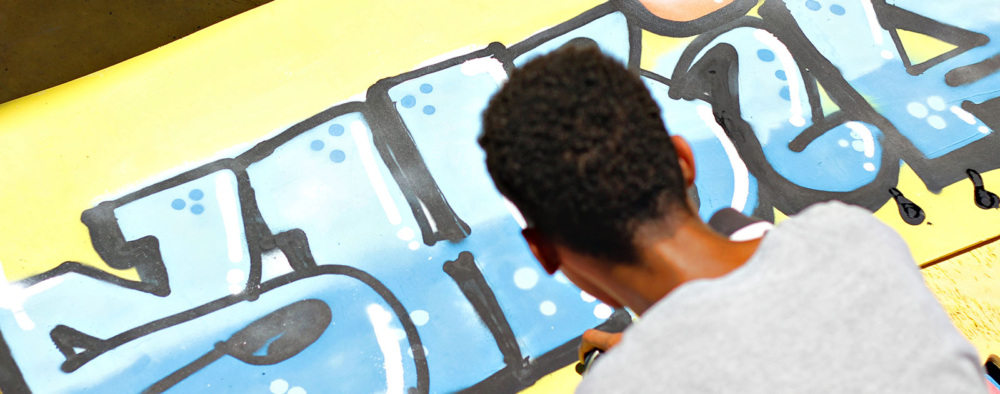
Kardume is a youth collective that promotes urban art, art education, and social transformation for Black and marginalized youth in the fishing community of the Zona 2 district of Paulista, Pernambuco. Kardume combines visual arts with environmental awareness, using hip-hop philosophy and artistic expression to promote social development and critical and sociopolitical thinking.
Observatório das Baixadas (OBx) works with baixadas – communities that are located on islands; close to rivers, canals, or streams; or in coastal regions of Brazil – to discuss climate, environment, and society. OBx uses science and technology to address vulnerabilities, especially the risks of climate change, and produces research and tools to strengthen socio-environmental and economic initiatives.
Rede Cuíra – a youth network from the mangrove regions of the Amazon – seeks to empower young people to become protagonists in the protection of the mangrove ecosystems and the defense of mangrove communities’ human rights. Its mission is to strengthen youth leadership, foster environmental awareness, and advocate for sustainable actions and public policies.
Rede de Comunicação Vozes da Mata is a collective formed by youth from the Indigenous Parintintin, Jiahui, Juma, Tenharin, and Apurinã communities to amplify Indigenous voices from southern Amazonas state. Using community communication tools, the organization works to strengthen collaboration in the Indigenous territories along the Madeira and Purus river basins, increasing visibility of these forest dwellers’ struggles, knowledge, and ways of life.
Youth power
Education, Safety and wellbeing, Youth power
Education, Youth power