
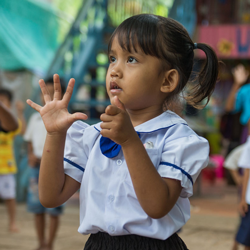
1. Sustained community engagement to shift harmful social norms
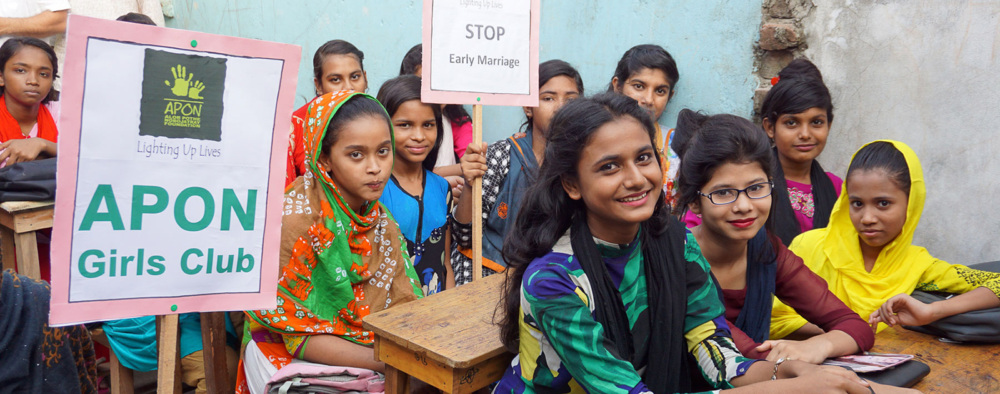
Change happens when families, leaders, and institutions are engaged over time to challenge expectations around girls’ roles and marriage.
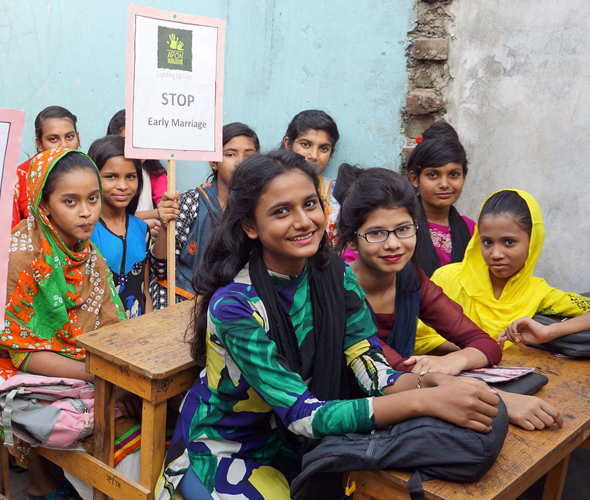
Global Fund for Children partners with grassroots organizations around the world to address the root causes of child marriage and support girls’ rights through education, leadership, and community-led change.
Every girl should have the power to shape her own future.
Child marriage cuts short childhoods, limits opportunities, and puts girls’ health and wellbeing at risk. It is driven by gender inequality, poverty, and harmful social norms – but it is preventable.
Global Fund for Children partners with community-based organizations working in contexts where child marriage persists, supporting local efforts so girls can learn, lead, and thrive.
Child marriage is driven by a combination of poverty, gender inequality, and limited access to education. In times of crisis, these pressures intensify – and families are often left with few options. Each year, 12 million girls are married before the age of 18, limiting their access to education, health, and the ability to shape their own futures. (Source: UNICEF)
Today, climate change is making this situation more urgent.
Droughts, floods, and displacement are disrupting livelihoods and education in many of the regions where child marriage is most prevalent. As families face increasing instability, early marriage can become a coping strategy. Nearly two-thirds of child marriages occur in countries highly exposed to climate risk.
Addressing child marriage today requires investing in community-level prevention, education, and reintegration, alongside broader systems change.
The most effective prevention efforts are rooted in the communities where child marriage persists, because these communities hold the lived experience of the drivers of the practice—and the knowledge of what change requires.
Global Fund for Children partners with community-based organizations – many led by women and young people – working directly with girls, families, and their communities to address the root causes of child marriage.
We support these organizations with flexible funding, capacity strengthening, and opportunities to connect and learn from one another, enabling them to grow, adapt, and sustain impact over time. Together, this work supports girls to stay in school, challenges harmful gender norms, prevents early and forced marriage, and builds girls’ skills, confidence, and agency.
Child marriage is complex—and so are the solutions. Across contexts, while drivers vary, the most effective responses share consistent features.
Three interconnected approaches consistently drive progress across GFC’s portfolio:
Change happens when families, leaders, and institutions are engaged over time to challenge expectations around girls’ roles and marriage.
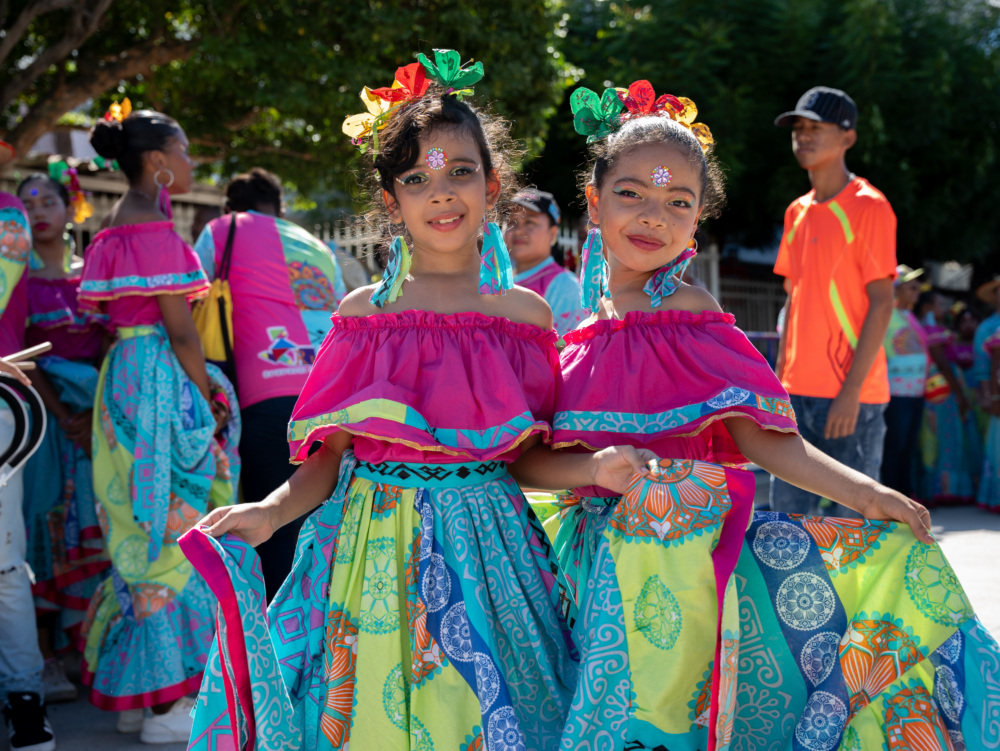
Girls are central to change. Supporting their confidence, skills, and voice strengthens their ability to stay in school and shape their futures.
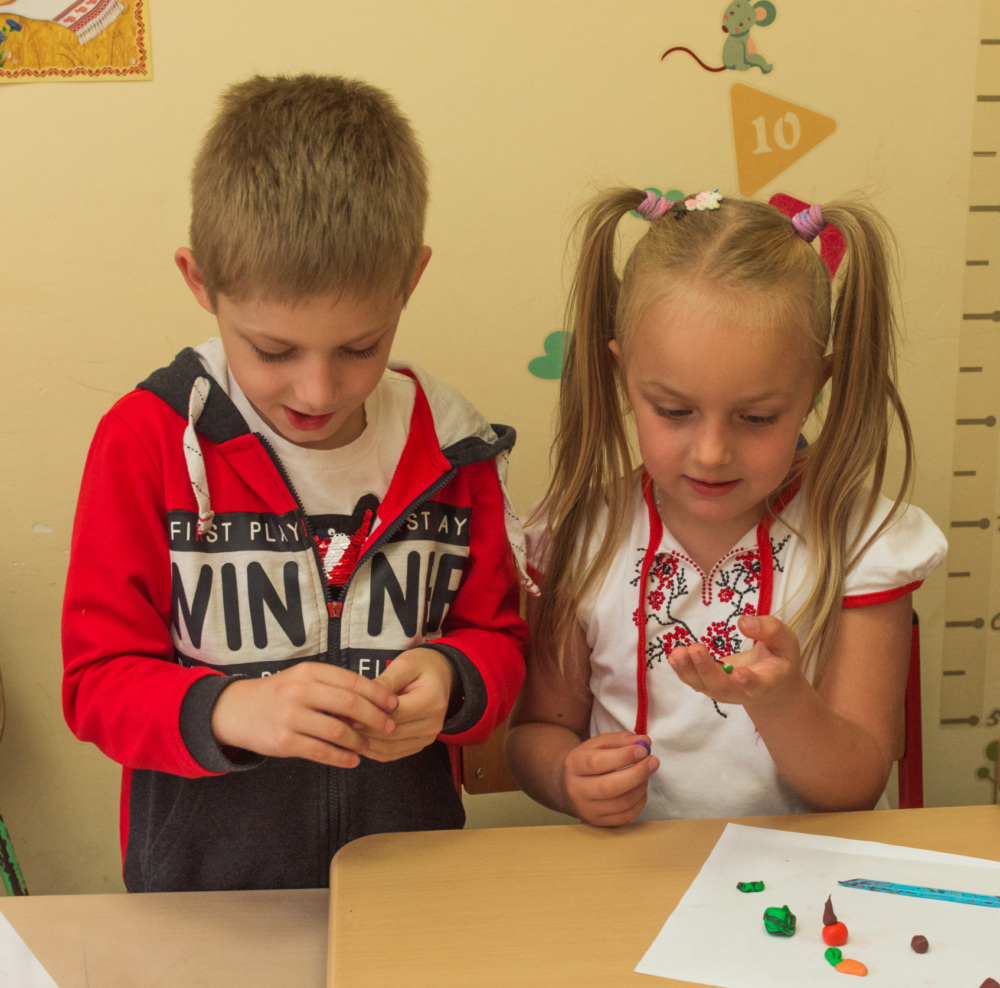
Transforming gender norms requires shared responsibility across communities.
Together, these approaches reflect a consistent insight: child marriage is sustained by systems and norms – and it must be addressed through systems change.
GFC has supported community-led efforts to prevent child marriage for decades across diverse contexts—from Kyrgyzstan to Mexico to Sierra Leone and India. This long-term engagement has built deep understanding of the localized drivers of child marriage and how they intersect differently across communities.
It enables us to support context-specific, community-led strategies that are culturally grounded and effective in driving lasting change. For example:
🇧🇩 Bangladesh:
In Bangladesh, GFC partners work with communities such as the Bede—an Indigenous riverine group whose livelihoods are closely tied to life on the water and who often face instability linked to climate change and mobility.
For families navigating environmental shocks and economic insecurity, early marriage can become one of the pressures that limits girls’ education and choices.
GFC-supported partners are responding by helping girls stay in or return to school, strengthening sustainable livelihoods for families, and supporting communities to access information on girls’ rights—especially in contexts affected by displacement and changing livelihoods.

🇬🇳 Guinea:
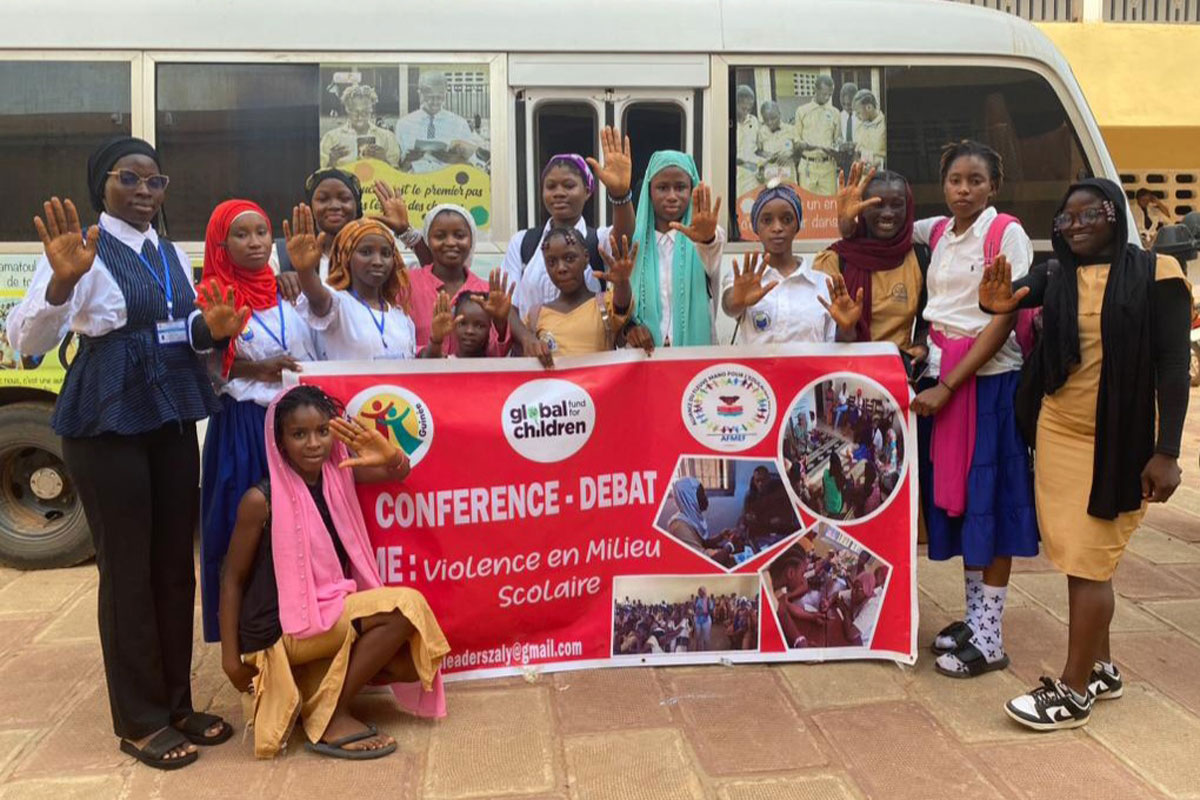
In Guinea, GFC partner Club des Jeunes Filles Leaders de Guinee (CJFLG) – a girl-led organization – demonstrates what sustained, community-rooted action looks like in practice.
In 2024, CJFLG intervened directly to prevent the forced marriage of a 16-year-old girl, enabling her to remain in school. They also supported an 18-year-old survivor of child marriage to access services and vocational training, helping her rebuild her path forward.
With flexible, trust-based support from GFC, CJFLG has expanded to 36 branches across 33 prefectures, combining grassroots-level prevention efforts with long-term shifts in community attitudes and growing national influence.
🇰🇬 Kyrgyzstan:
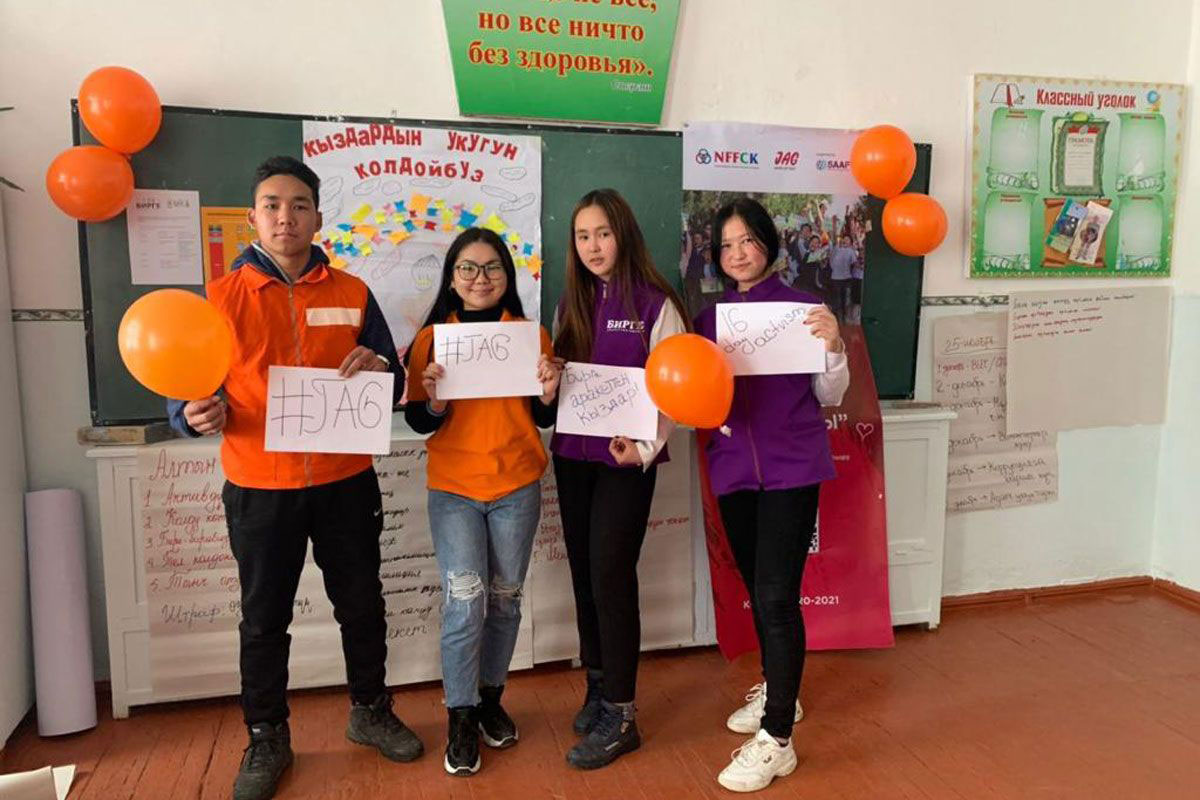
In Kyrgyzstan, GFC supports youth-led partners working to prevent child marriage, including practices such as ala kachuu (bride kidnapping), through education, advocacy, and community engagement.
Community-based organizations like Joint Actly Girls and Kyrgyzstan Girls Movement (KGM) are working together to:
With long-term, flexible support from GFC, they are shifting social norms and creating national-level influence, strengthening protection and opportunity for girls across communities.
Together with our partners, we are helping to shift what is possible for girls in some of the most challenging contexts in the world – by supporting community-led responses that address both immediate risks and longer-term change.
This work is contributing to:
But the need remains urgent. Sustained investment in community-led solutions is essential to protect and expand these efforts.
This is where Global Fund for Children plays a unique role—supporting community-led organizations with flexible, trust-based funding, and working closely with local partners to strengthen and learn from what is already happening on the ground.
With your continued support, we can deepen this work so that more girls are safe, in school, and able to define their own futures.
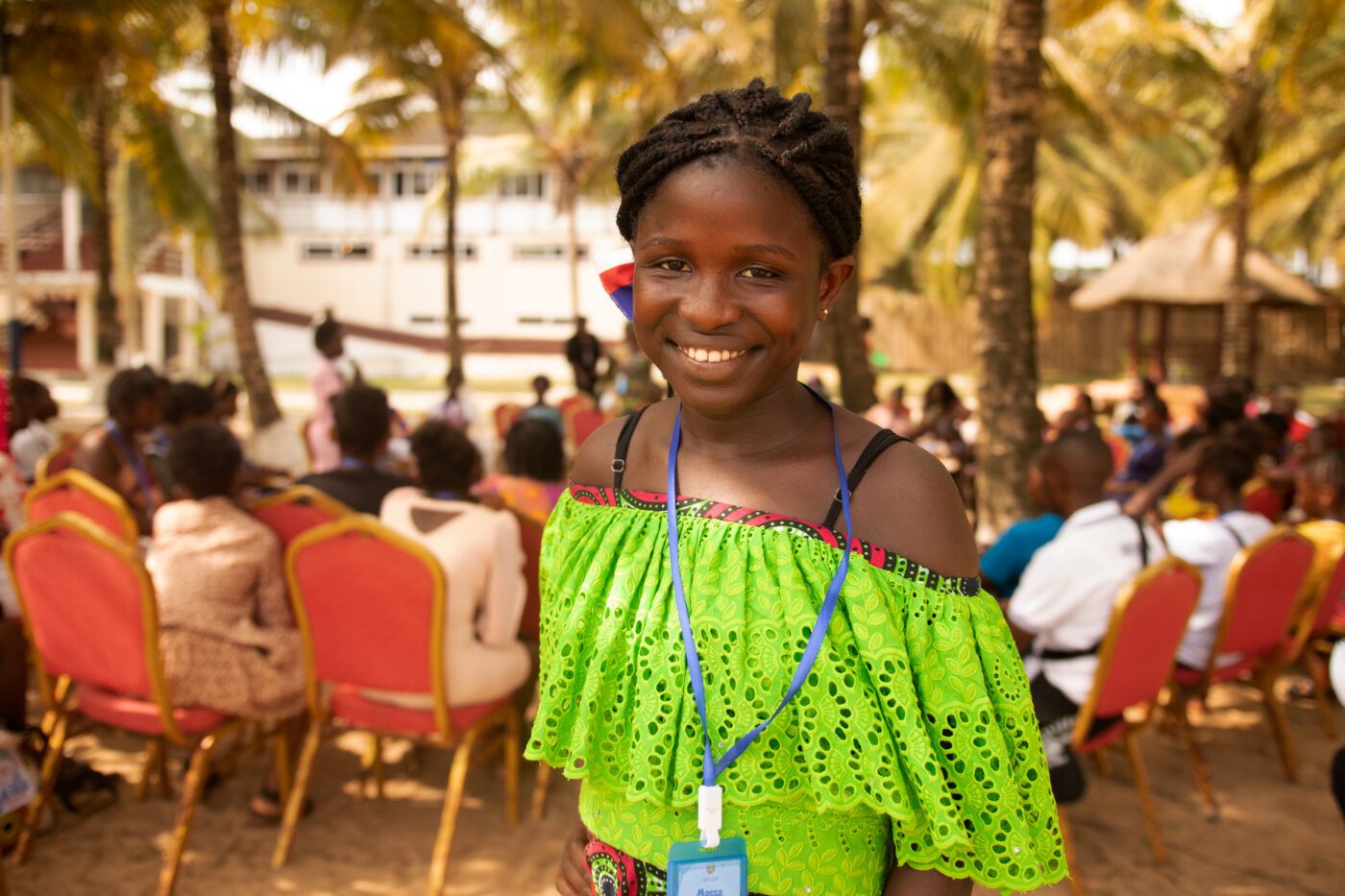
Ending child marriage is possible—but only if community-led solutions have the resources to grow and last.
Your support helps local organizations protect girls, keep them in school, and challenge the systems and norms that put them at risk.
Gender justice, Safety and wellbeing, Youth power

Gender justice
Safety and wellbeing