
En la primera línea del cambio climático: Lo que nuestro equipo está viendo y por qué es importante para los niños.
Todos oímos hablar de cómo el medio ambiente que nos rodea está cambiando rápidamente. Cada día, los titulares informan de fenómenos meteorológicos extremos, temperaturas en aumento, inundaciones, incendios forestales y una creciente inseguridad alimentaria y económica que afecta a hogares, familias y comunidades de todo el mundo.
Pero para muchos, el cambio climático aún puede parecer algo lejano: algo que sucederá en otro lugar o en algún momento del futuro. Lo que a menudo pasa desapercibido es la profunda repercusión que ya está teniendo en los niños y jóvenes. Sin embargo, son los niños que no tuvieron nada que ver con la creación de esta crisis quienes vivirán con sus consecuencias durante toda su vida. [Fuente: Organización Mundial de la Salud].
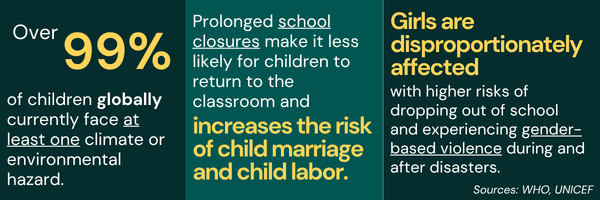
Investigaciones recientes han revelado que:
La justicia climática es un tema central para el Fondo Mundial para la Infancia. En los últimos años, hemos aumentado nuestra financiación para trabajar con organizaciones comunitarias que se dedican a abordar los daños ambientales, fortalecer la resiliencia ante los impactos climáticos y apoyar a los jóvenes que lideran el cambio en sus comunidades. Dado que los niños y los jóvenes se encuentran entre los más afectados, creemos ellos Deben participar en la configuración de las respuestas, soluciones y decisiones que afecten a su futuro.
Para comprender mejor cómo se manifiestan estas realidades sobre el terreno, hablamos con tres colegas de GFC que trabajan estrechamente con comunidades en Brasil, Vietnam y Tailandia. Sus experiencias ponen de manifiesto tanto las crecientes presiones a las que se enfrentan las comunidades como las maneras en que los jóvenes ya están liderando las respuestas a dichas presiones.
BRASIL
Thalita Silva, Coordinadora del Programa
¿Qué ves en el suelo?
En nuestro trabajo en GFC, observamos que la crisis climática no es una amenaza futura, sino una realidad presente, especialmente en la vida de niños, adolescentes y jóvenes. Por eso, priorizamos escuchar antes de actuar: las realidades que enfrentan las comunidades deben definir las soluciones y las áreas donde se necesita más apoyo.
Estas conversaciones nos muestran que los niños y jóvenes se encuentran entre los más afectados por una crisis que no provocaron, y esto se manifiesta de forma muy concreta en la vida cotidiana. Cuando las inundaciones o las sequías disparan los precios de los alimentos, las familias que ya viven al límite tienen dificultades para costearse la comida, y los niños son los primeros en sufrirlo a través del hambre. Los cambios en los patrones de lluvia dificultan la agricultura en comunidades donde el cultivo de alimentos es fundamental para la supervivencia, y cuando las cosechas fracasan, sobreviene la inseguridad alimentaria. Las olas de calor también golpean con más fuerza en las zonas urbanas más empobrecidas, donde hay menos cobertura arbórea, menos infraestructura y mayor exposición a riesgos ambientales. En las comunidades ribereñas, los ríos no son solo parte del paisaje, sino también las vías de comunicación de las que dependen las personas para desplazarse entre comunidades. Cuando el nivel del agua baja y los ríos se vuelven innavegables, los niños simplemente no pueden ir a la escuela.
Sin embargo, a pesar de estar entre los más afectados, los niños y los jóvenes reciben solo una fracción de los fondos destinados a la lucha contra el cambio climático y, con demasiada frecuencia, quedan excluidos de las decisiones que dan forma a su futuro.
¿Qué están haciendo los jóvenes al respecto?
Lo que más me impresiona es la fuerza de las respuestas de los jóvenes, no como una reacción puntual, sino como un esfuerzo continuo por construir alternativas en sus comunidades.
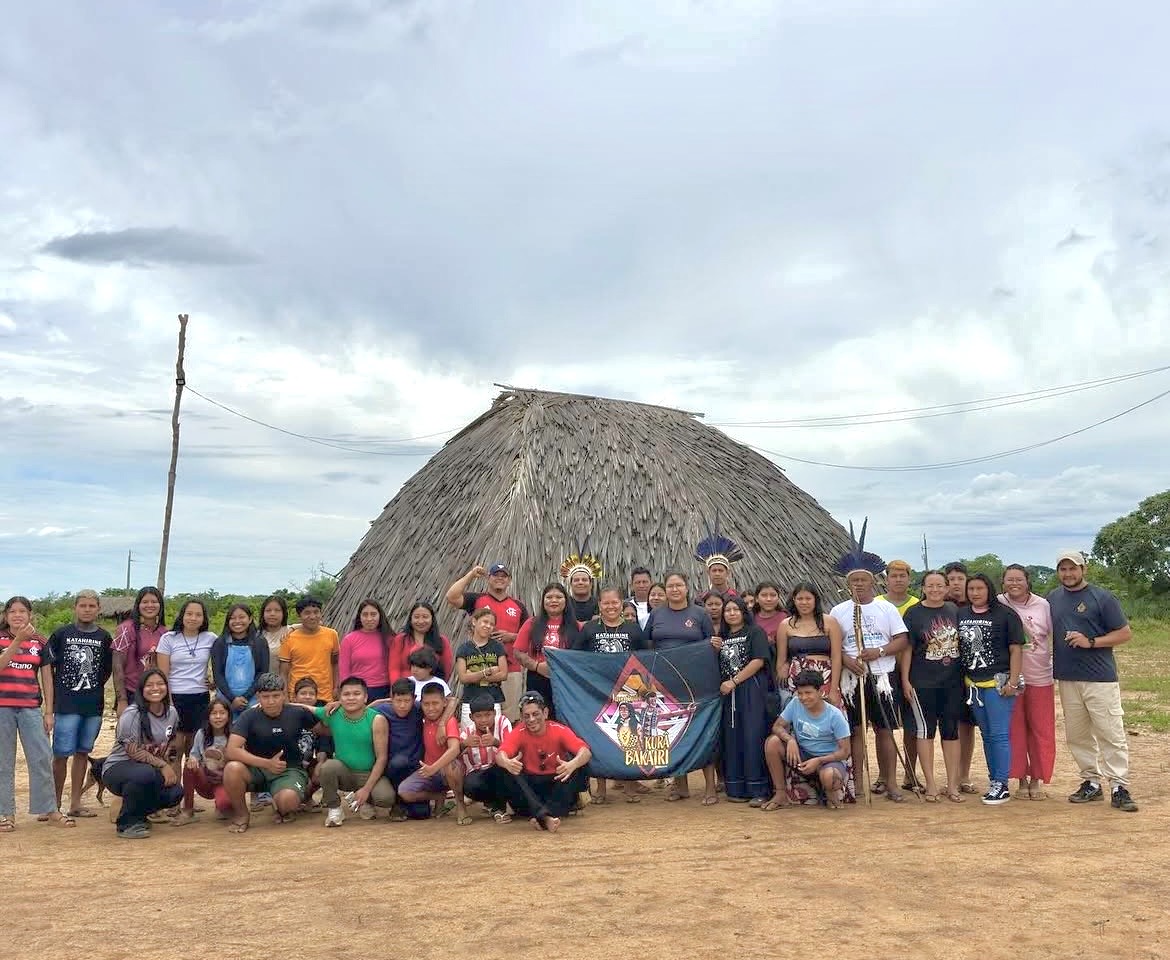
Un ejemplo contundente es la labor de los jóvenes del territorio Arapiuns, en la Amazonía brasileña, quienes movilizan a las comunidades para proteger y restaurar el río Arapiuns. Junto con organizaciones locales, han contribuido a la creación de un movimiento que involucra a más de 150 comunidades y abogan por el reconocimiento legal del río como un ser vivo con derechos.
Este proceso implica la movilización comunitaria, el diálogo con los residentes y la incidencia política, y demuestra que las respuestas a la crisis climática ya se están gestando en las comunidades. Pero lo más impactante es lo que esto representa: proteger el río significa proteger las condiciones de vida actuales y futuras.
¿Por qué es importante el apoyo?
El apoyo del Fondo Mundial para la Infancia es importante porque representa una decisión política: una decisión que tiene que ver con la preservación de la vida.
Muy pocos fondos destinados a la lucha contra el cambio climático llegan a la infancia y la juventud, a pesar de la profunda repercusión que sufren. Según un informe de la CEPAL y UNICEF, solo 3,41 billones de dólares de financiación multilateral para el clima en la región llegan efectivamente a la infancia y la juventud. Existe una enorme brecha entre la magnitud del problema y los recursos dirigidos a quienes más lo padecen.
Lo vemos claramente en la práctica: cuando lanzamos nuestra convocatoria piloto, recibimos más de 150 solicitudes para solo 16 subvenciones. Las soluciones ya existen en las comunidades, pero el acceso a los recursos sigue siendo extremadamente limitado.
Lo que distingue a GFC es su modelo de financiación. Este financiamiento flexible y basado en la confianza reconoce que las organizaciones y comunidades ya saben lo que necesitan. Necesitan recursos que respeten su realidad, sus plazos y sus formas de organización, no financiación que las obligue a adaptar su trabajo a expectativas externas.
TAILANDIA
Suwandee “Beaw” Thatsanaprai, especialista en Spark Fund, Tailandia
¿Qué ves en el suelo?
En Tailandia, observo cómo el cambio climático agrava las desigualdades preexistentes. Las inundaciones son cada vez más frecuentes y severas, especialmente en las comunidades que históricamente han tenido menos acceso a apoyo y recursos.
En las zonas rurales, los cambios en los patrones de lluvia están alterando los ciclos agrícolas de los que las familias han dependido durante generaciones, amenazando sus medios de subsistencia y obligando a muchas personas a abandonar sus hogares. Al mismo tiempo, muchas de estas comunidades también se enfrentan a la minería, los monocultivos y la degradación de la tierra, que destruyen los ecosistemas y los recursos naturales de los que dependen.
Para los niños y jóvenes, el impacto va mucho más allá de lo inmediato. Cuando las familias son desplazadas porque la tierra ya no puede sustentarlas, la escolarización de los niños se interrumpe, su sensación de seguridad se ve afectada y su futuro se vuelve más incierto.
Lo que más me sorprende es la poca voz que suelen tener estas comunidades en las decisiones que afectan a su futuro. Los jóvenes viven en primera línea de estas crisis, pero se espera que asuman las consecuencias de decisiones en las que no han participado.
¿Qué están haciendo los jóvenes al respecto?
En toda Tailandia, los jóvenes ya están actuando: concienciando a sus comunidades, educándose mutuamente y abogando por políticas ambientales más justas. No esperan a que los inviten a participar en el diálogo; lo crean ellos mismos.
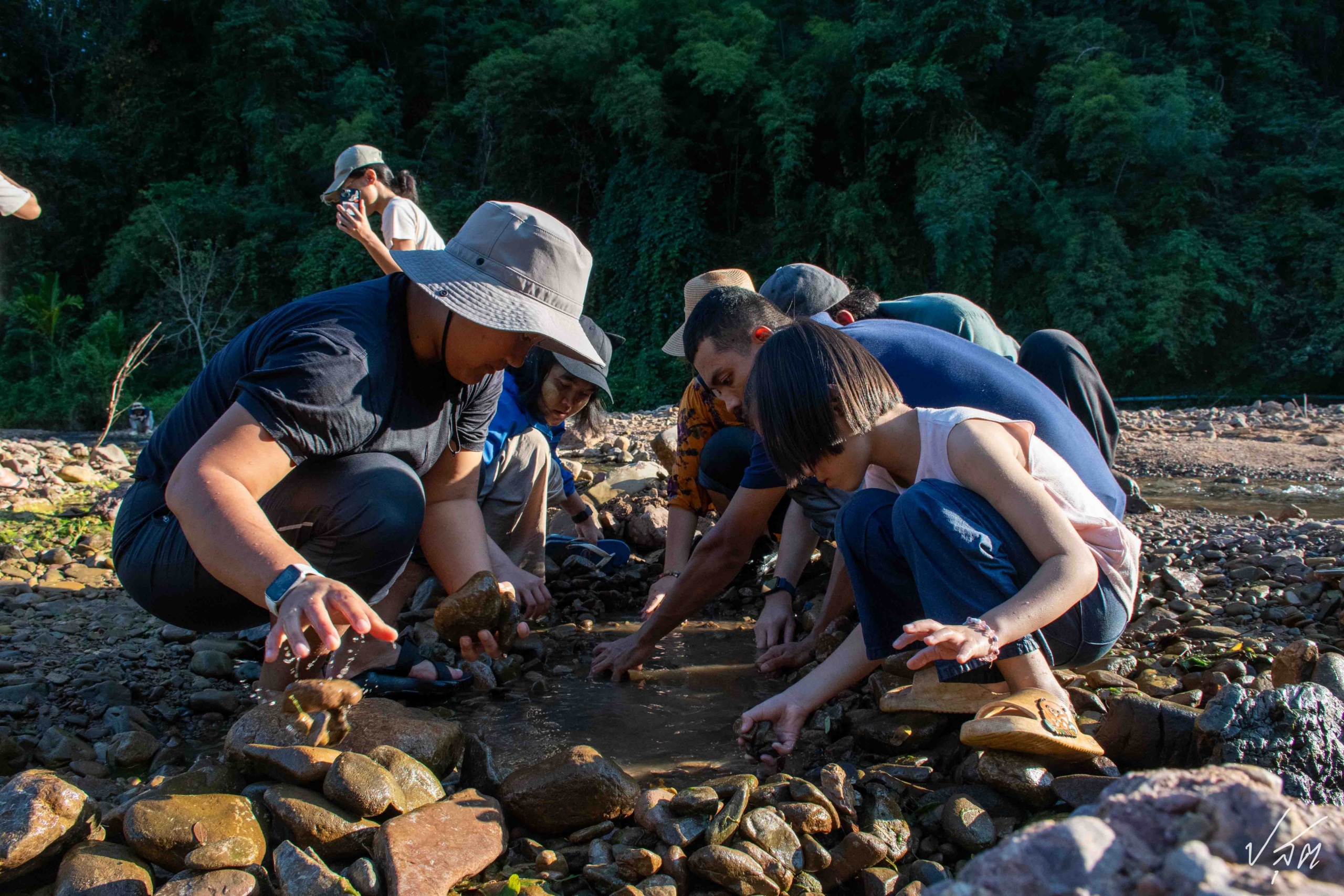
Una historia que significa mucho para mí es la de Commons Youth. Comenzó cuando los jóvenes involucrados en el proceso del Fondo Spark de GFC notaron que los grupos juveniles climáticos de Tailandia y Vietnam a menudo trabajaban de forma aislada: tenían dificultades para acceder a financiación, pero también estaban desconectados entre sí y desconocían el trabajo de los demás.
En lugar de simplemente seguir adelante, decidieron actuar. Crearon Commons Youth, una red de pares donde los jóvenes pueden apoyarse mutuamente, compartir conocimientos, acceder a recursos y abogar colectivamente por la justicia climática. Ahora están desarrollando YouthMap, una herramienta diseñada para conectar a organizaciones juveniles de todo el país y dar mayor visibilidad a su trabajo, no solo ante financiadores y organizaciones, sino también entre ellos mismos.
¿Por qué es importante el apoyo?
Lo que distingue el apoyo de GFC es que llega a las organizaciones y a los jóvenes a los que la mayoría de los financiadores nunca encuentran: pequeños grupos arraigados en la comunidad que a menudo son ignorados por los financiadores más grandes.
Pero no se trata solo de adónde va la financiación, sino también de cómo llega. Una financiación flexible y a largo plazo permite a las comunidades responder a sus necesidades reales, en lugar de reestructurar su trabajo en función de prioridades externas. Este tipo de confianza es más escasa de lo que debería en este sector.
Lo que veo a diario es que el hecho de que crean en ti cambia la percepción de lo que es posible. Cuando se les confía a los jóvenes recursos reales y un verdadero poder de decisión, construyen algo que perdura.
Para las comunidades a las que durante mucho tiempo se les ha dicho que su conocimiento no importa y que las decisiones se tomarán por ellas en lugar de con ellas, el apoyo de GFC no es solo financiero. Es una señal de que sus voces importan y que sus soluciones merecen apoyo.
VIETNAM
Loan Thi Vuong, especialista en Spark Fund, Vietnam
¿Qué ves en el suelo?
“En las comunidades con las que trabajo, el cambio climático ya no es un tema abstracto, sino que forma parte de la vida cotidiana. Los niños y los jóvenes están experimentando fenómenos meteorológicos más extremos, interrupciones en la escolarización y una creciente incertidumbre sobre su futuro.
Pero más allá de los impactos visibles, también percibo una dimensión emocional que a menudo permanece tácita: ansiedad, inestabilidad y una tristeza silenciosa por la pérdida ambiental. Los padres se preocupan por el desvanecimiento del canto de los pájaros, la desaparición de las montañas verdes y el tipo de mundo que heredarán sus hijos.
Estos sentimientos no siempre se nombran directamente, pero influyen en cómo los jóvenes experimentan la seguridad, la pertenencia y su lugar en el mundo.”
¿Qué están haciendo los jóvenes al respecto?
Gracias al programa de becas Spark Fund, observo respuestas sumamente creativas a la resiliencia climática. Los becarios no abordan los desafíos ambientales desde una única perspectiva: son autores, agricultores, artistas, periodistas, fabricantes de papel e investigadores, cada uno aportando su propia visión y conocimiento a la misma crisis.
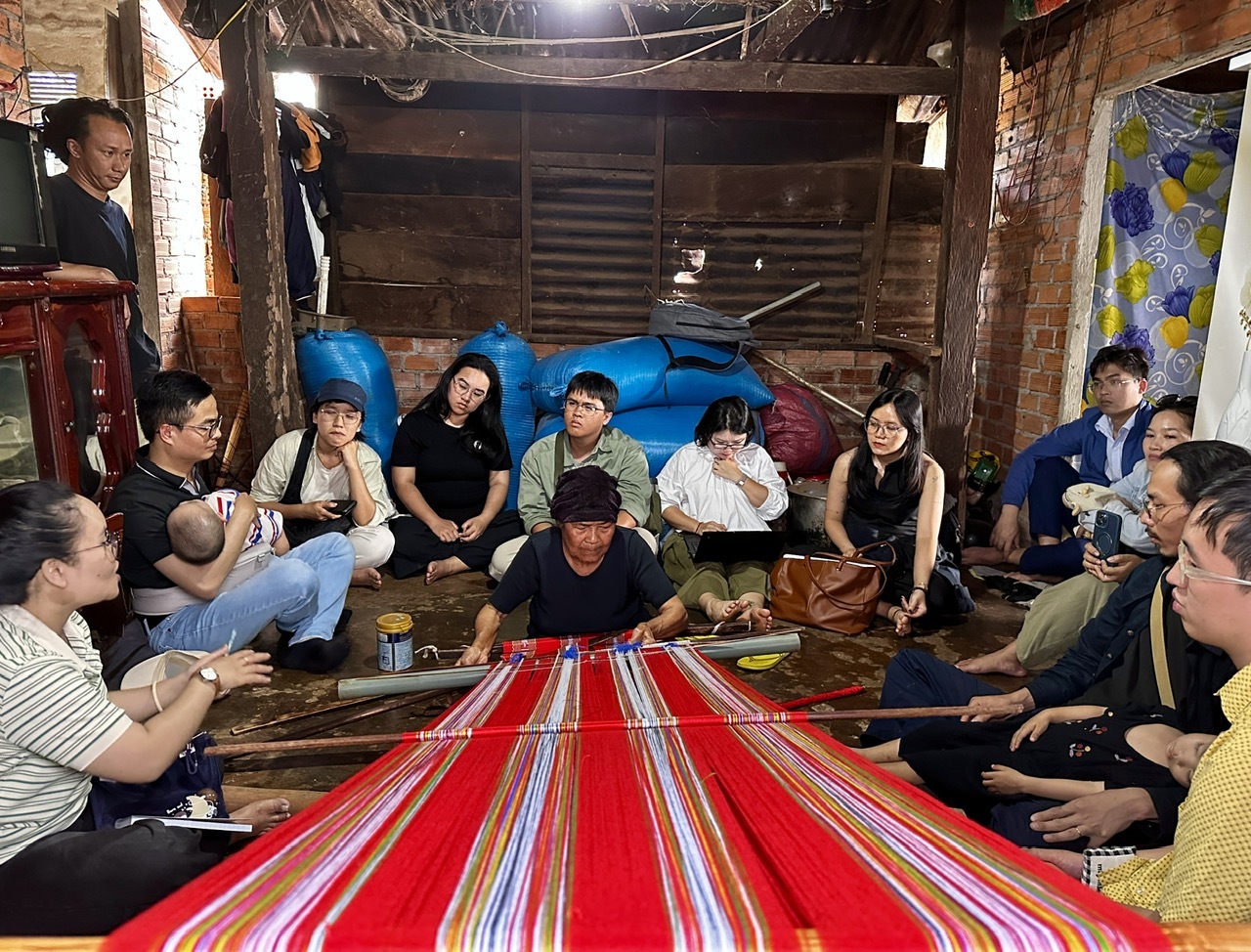
Lo que más me inspira es este enfoque interdisciplinario. Un colega, por ejemplo, está restaurando un bosque degradado y, al mismo tiempo, creando un espacio de aprendizaje donde los jóvenes puedan reconectarse con la naturaleza.
No se trata solo de restauración ambiental, sino de sentido de pertenencia, cuidado y capacidad de decisión para la próxima generación.”
¿Por qué es importante el apoyo?
Lo que más valoro del Fondo Mundial para la Infancia es la flexibilidad de su apoyo. Permite a los becarios experimentar, pensar más allá de lo que creían posible y probar nuevas ideas sin temor al fracaso.
Pero el apoyo va más allá de la financiación. Crea un ecosistema de confianza donde los líderes comunitarios se sienten vistos, valorados, conectados y acompañados a través de relaciones, espacios de aprendizaje y oportunidades de colaboración.
Este tipo de apoyo fortalece no solo su trabajo, sino también su bienestar, lo cual es esencial para mantener un cambio a largo plazo.
Para los niños y las comunidades, esto significa que no afrontan estos desafíos solos. Cuentan con el apoyo de líderes arraigados en sus propias realidades y capacitados para responder de manera significativa y duradera.
De estas conversaciones se desprende una conclusión innegable: la crisis climática ya está transformando la vida de los niños, interrumpiendo la educación, profundizando la inseguridad y ejerciendo una presión cada vez mayor sobre comunidades que ya se enfrentan a enormes desafíos.
Pero estas historias también revelan algo poderoso: los jóvenes no se quedan de brazos cruzados. Protegen los ríos, restauran los ecosistemas, construyen redes comunitarias, educan a otros y crean soluciones basadas en las realidades que mejor conocen.
El problema no radica en la falta de liderazgo, ideas o compromiso. Con demasiada frecuencia, se trata de la falta de financiación y apoyo para los jóvenes y las comunidades que ya están impulsando el cambio.
El Fondo Mundial para la Infancia seguirá apoyando a los jóvenes y a las organizaciones comunitarias que se encuentran en la primera línea del cambio climático, proporcionando financiación flexible, fortaleciendo el liderazgo local y respaldando soluciones basadas en las realidades vividas por las comunidades que experimentan estos desafíos a diario.
Apoya a los niños que están en la primera línea del cambio climático.Los jóvenes como aquellos con los que trabajan Thalita, Beaw y Loan no esperan a que alguien más actúe: están protegiendo los ríos, restaurando los bosques y construyendo redes que apoyan a sus comunidades hoy mismo.
Pero su labor depende de una financiación que confíe en su liderazgo y les brinde el apoyo necesario. Si te apasiona proteger el clima y a los niños que lo heredarán, tu donación puede contribuir a mantener las soluciones comunitarias que ya están transformando vidas.