There’s something incredibly beautiful about how children can cross social and cultural boundaries as they play, as I’ve seen with my own children. Within five minutes, children who speak different languages can be playing chase or hide and seek. Play doesn’t require a shared language, shared circumstances, or shared emotional wellbeing.
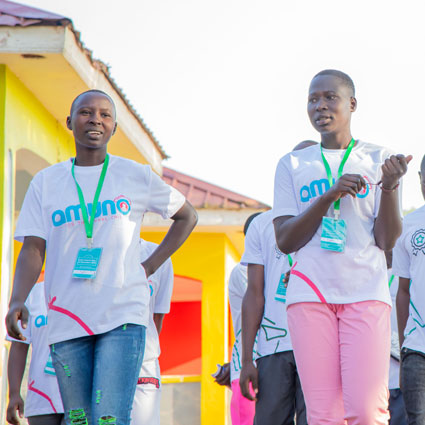
In July, my colleague Bundie, GFC’s Director for Africa, and I travelled to Nairobi to meet the partners in GFC’s Thriving Through Play (TTP) cohort. TTP is a three-year initiative supporting 20 partner organizations from Kenya and Uganda that use play to support children’s mental health and psychosocial wellbeing, particularly children in and around refugee and host communities.
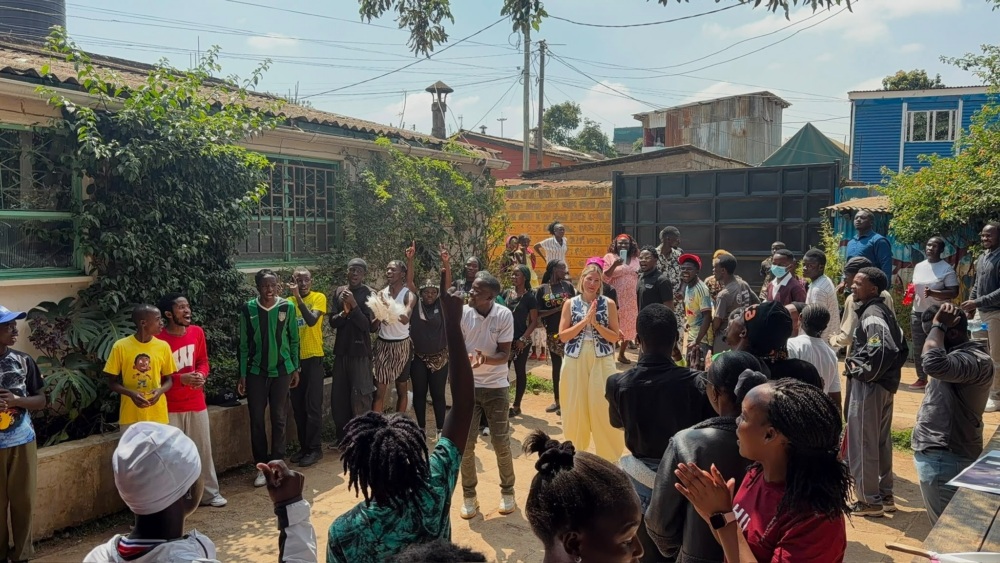
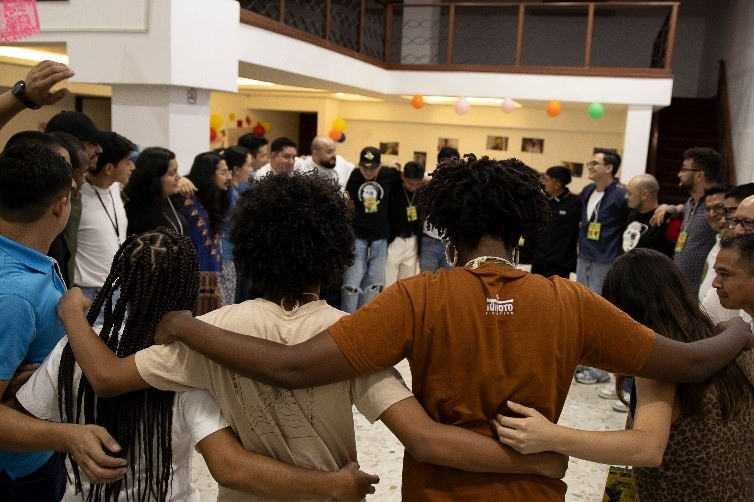
Our visit was a network building and capacity support moment in action, and it was the first time I saw firsthand the powerful impact of using play to build connection and collaboration among children, supporting not only their education but also their emotional wellbeing and ability to recover from trauma.
One of play’s most powerful outcomes is trust. Displacement and trauma damage a child’s ability to form trusting relationships. Play-based learning offers opportunities to build trust through experiences such as turn-taking, following game rules, taking risks, and being allowed back into a game after disagreements.
We use dance as a tool in Cheza Cheza to teach children and youth how to connect with each other. Where words do not come out, children can express themselves through a dance move that shows how they feel.
— Kelvin Otieno Awuor, Cheza Cheza Dance Foundation, Community Dance Program Lead
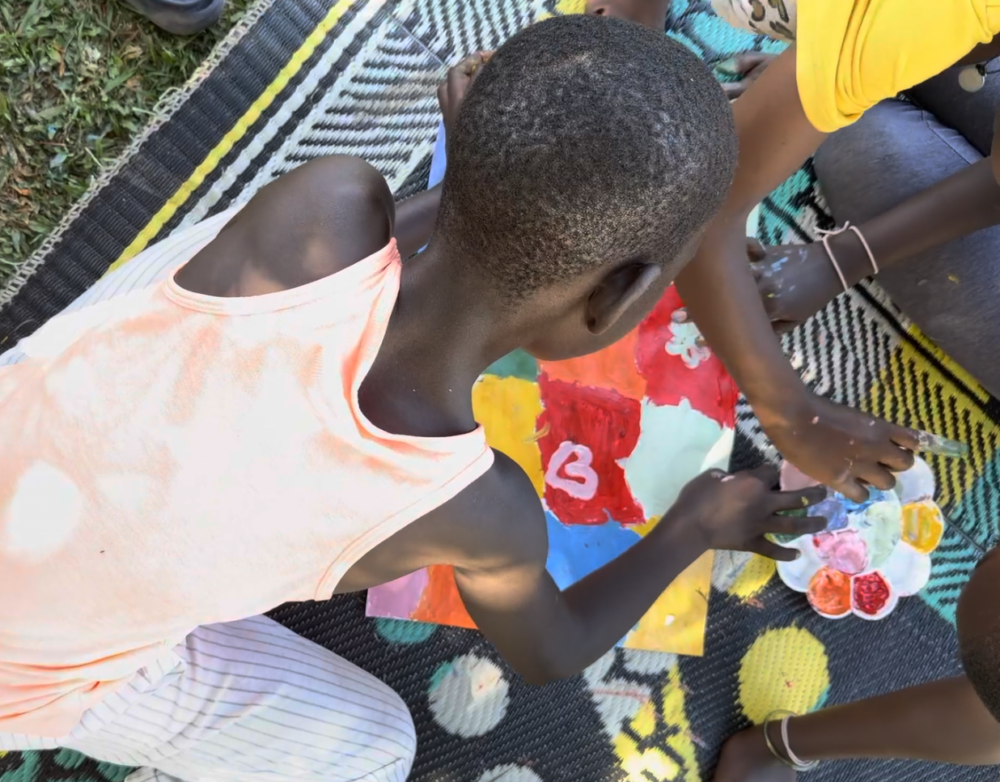
Our visit highlighted for me a shift in thinking about play as more than a tool for education; it can also support emotional healing. When children struggle to put big experiences into words, like leaving home, facing uncertainty, or losing people close to them, they can process them by making art, inventing stories, taking on roles, and trying different outcomes in a safe setting.
El juego ofrece una forma de bajo riesgo de procesar las experiencias y perseverar ante los desafíos, fomentando la fortaleza y la recuperación del trauma.
Kelvin Otieno Awuor, Cheza Cheza Dance Foundation, Community Dance Program Lead
One of our partners in Uganda, called Similar Ground, offers sport combined with educational support, advocacy, and community protection, to strengthen the psychosocial resilience of children and youth in refugee settings. Their work removes the barriers keeping girls off the football pitch, giving them the joy, healing and strength the game brings, and the confidence that they belong, in sport and beyond.
What we learned about play came from the stories partners shared in the room, not from a report. Leadership visits and the leadership sessions we deliver to partners are essential for building trust and enabling our partners to have the biggest possible impact. Our approach includes flexible funding and capacity-building services, including critical networking opportunities and systems strengthening. The LEGO Foundation’s funding has made relationship-based support possible. Support that is co-designed with partners to provide what will actually benefit them and the communities they serve.
What we saw and heard about during our visit to Kenya isn’t unique to this context. On all my visits with partners, I am often overwhelmed by the challenges children face and the traumas they have experienced in their short lives. Issues such as violence, exploitation, early marriage, and caring responsibilities force children to grow up too early, and there is an increasing amount of evidence that adverse childhood experiences can negatively impact children’s mental health, emotional resilience, development and education.
Spending time with TTP partners highlighted that play can provide the same benefits to children across our whole partner network, and we shouldn’t underestimate the power of play and the space just to be a child. Where children have suffered trauma and continue to face difficult circumstances, play could be a tool that provides the benefits we’ve already noted, such as emotional healing and resilience.
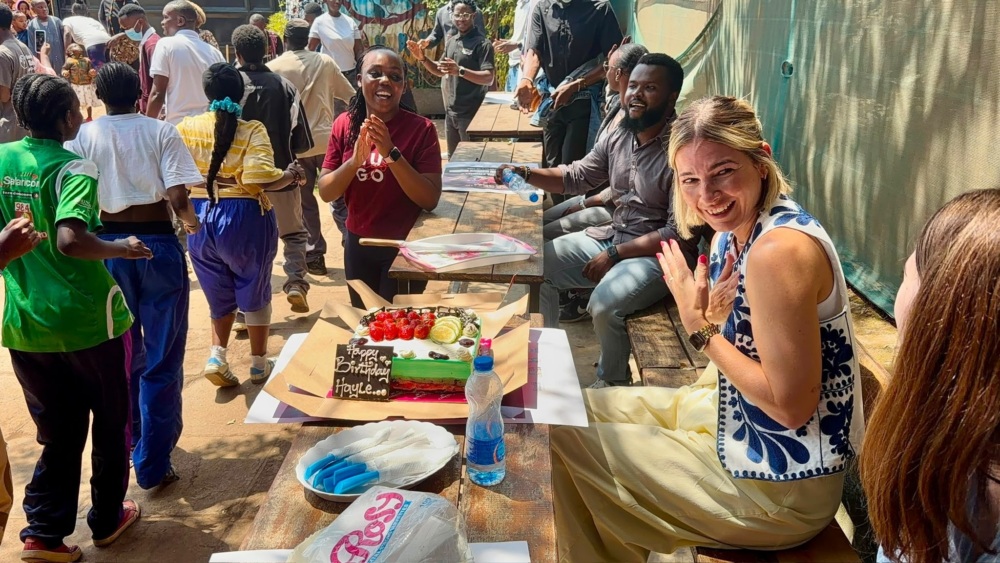
During our trip, I celebrated a birthday, and it was one of the most memorable I’ve ever experienced. There was dancing, singing and a beautiful cake, and as our partners celebrated with complete abandon, I felt joyful. Joy is powerful, and while stories of devastating realities in these communities were top of mind, I was reminded of an idea with a long history in Black feminist and social justice movements: joy is an act of resistance.
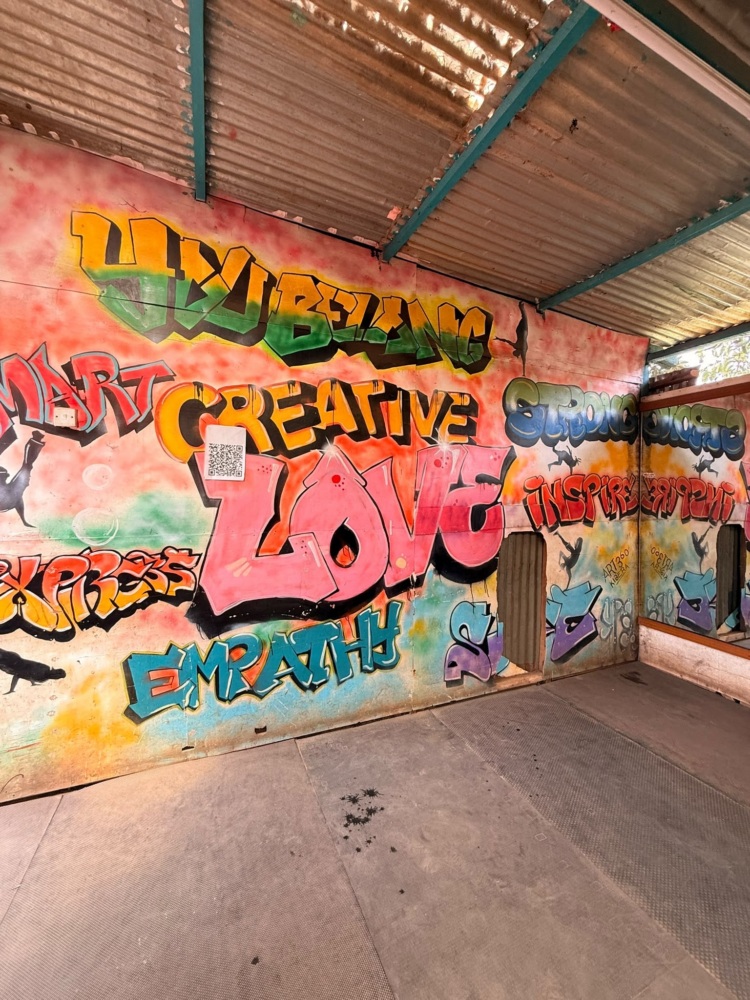
Play brings joy to these children and is an essential first step toward engaging with education or protection. Joy is also an essential tool for the adults working with them, our partners, and the philanthropic sector as a whole. For grantmakers and grantees, embedding joy in strategic plans can improve long-term impact, emotional wellbeing, and resilience–sounds familiar, doesn’t it? Making room for play and joy needs to be part of the work, not just the reward after.
This brings us back to an integral value at GFC: trust-based philanthropy. In this case, flexible funding has allowed partners to put resources into play. Our visit strengthened relationships with our partners and created reciprocal joy in certain moments together. As we built capacity and offered peer support, we left feeling encouraged and strengthened in our purpose: to support partners in doing the work that matters most to them and their communities, in the most impactful, locally led ways.
Play-based learning is a powerful approach that the TTP cohort are using to significantly impact the children and young people in refugee communities. It’s an approach that we can all learn from in our work as organizations, team members, and grantmakers. Embedding joy and play in our organizational strategies can help us be more impactful for longer as we build stronger and more adaptable teams that won’t give up in the face of significant challenges.
Find out more about Thriving Through Play
Meet the Thriving Through Play organizations harnessing the power of play to support children.